 English
 العربية
Indications:
-
Correction of pectus carinatum (pigeon chest).
-
Management of rib valgus deformities.
-
Correction of chest wall protrusions.
-
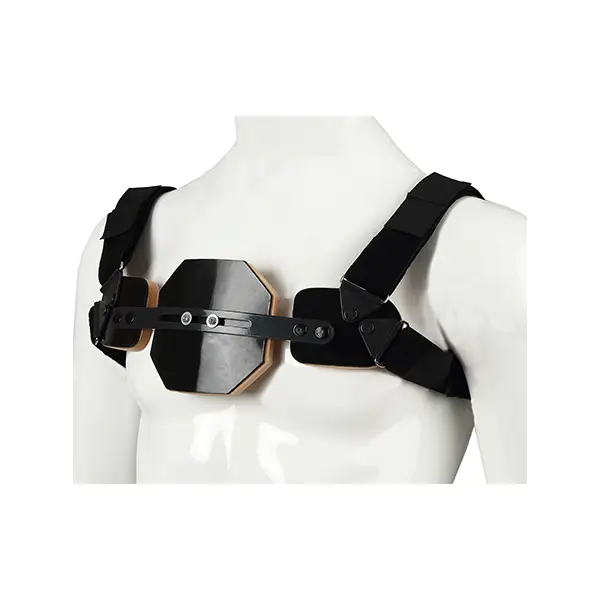
Includes a size adjuster for precise and customized fitting.
 |
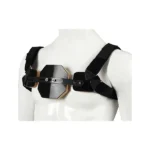
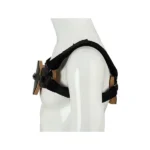
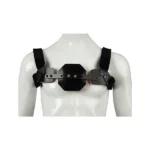
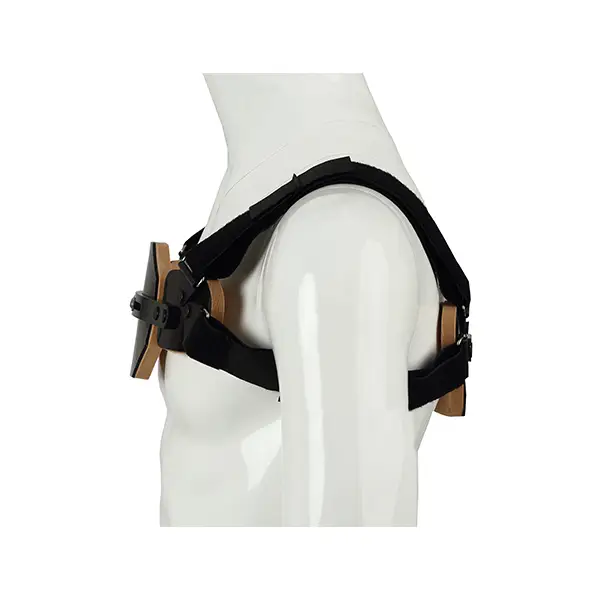
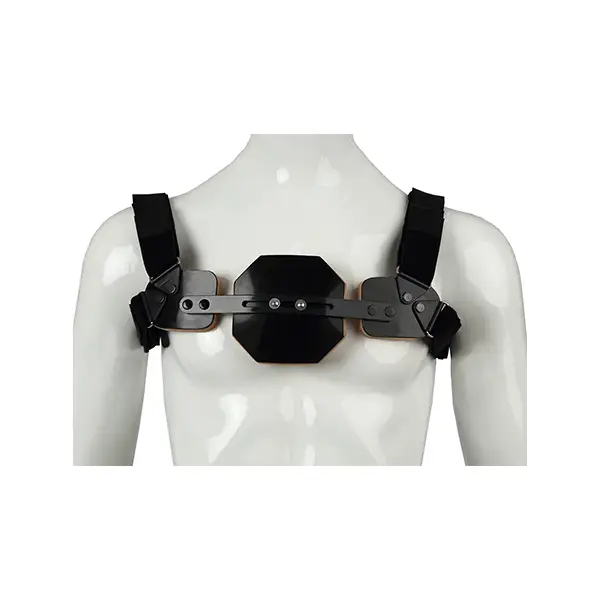
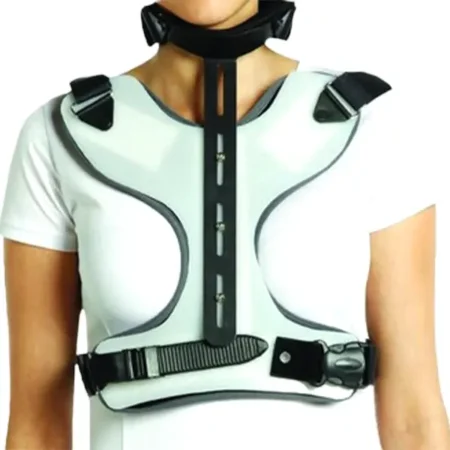
The Pectus Carinatum Brace is a non-surgical orthopedic device designed to correct protrusions of the chest wall commonly associated with pectus carinatum (also known as pigeon chest). It applies gentle, consistent pressure to the sternum and rib cage to gradually realign the chest structure over time. The brace is adjustable, ensuring a customized and comfortable fit for different body types. It is most effective when used during adolescence while the chest wall is still flexible.
Correction of pectus carinatum (pigeon chest).
Management of rib valgus deformities.
Correction of chest wall protrusions.
Includes a size adjuster for precise and customized fitting.
A dynamic orthosis designed for the treatment of developmental hip dysplasia in infants. It promotes healthy hip joint maturation by holding the hips in the optimal therapeutic position of flexion and abduction, often referred to as the “seated squat” or “frog-leg” position. This mimics the natural pre-birth position, creating the ideal conditions for the hip socket (acetabulum) to develop correctly around the head of the femur.
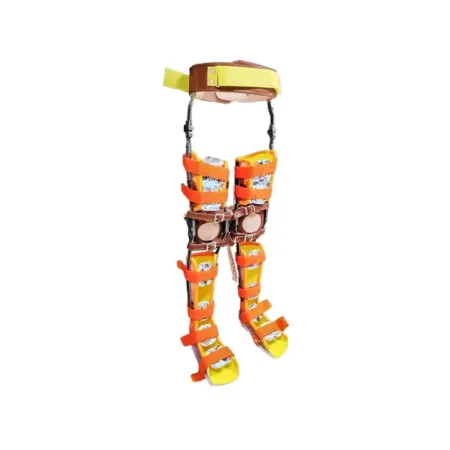
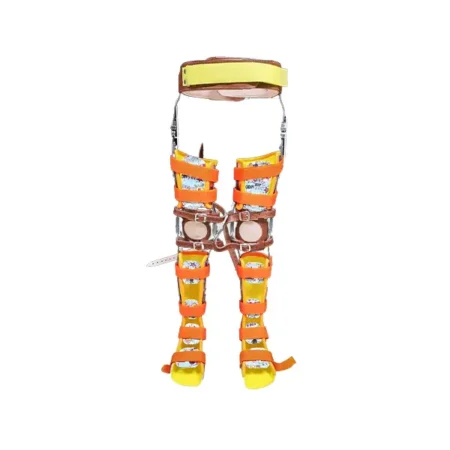
Custom Fit & Adjustable Design: Features adjustable components and secure strapping systems to ensure optimal fit, comfort, and alignment across the hip, knee, ankle, and foot.
Durable Construction: Made from high-strength lightweight materials for long-term wear and functional support.
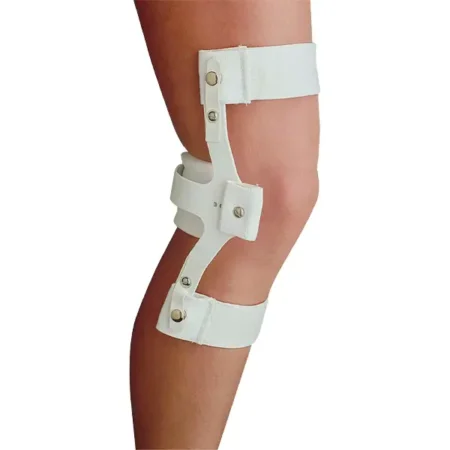
Joint Stabilization: Incorporates locking or adjustable knee and hip joints to control movement as needed for therapeutic or functional purposes.
Ideal for lower limb weakness or paralysis. Stabilizes the knee, supports the ankle, and improves balance.
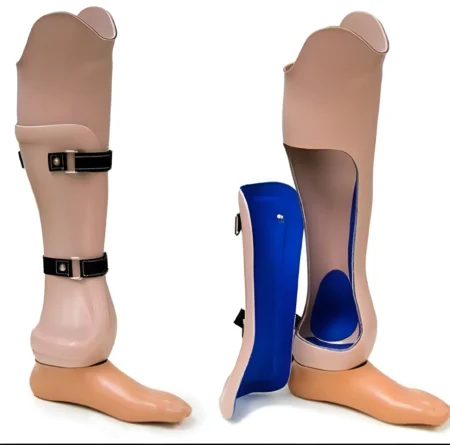
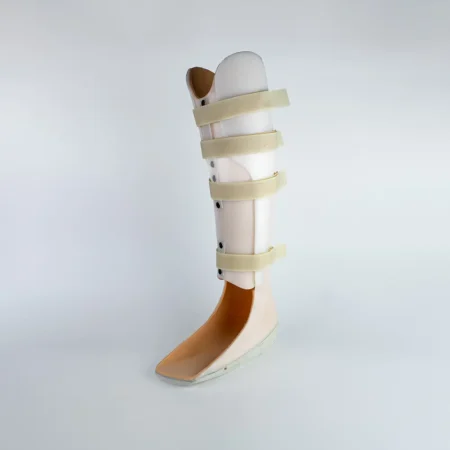
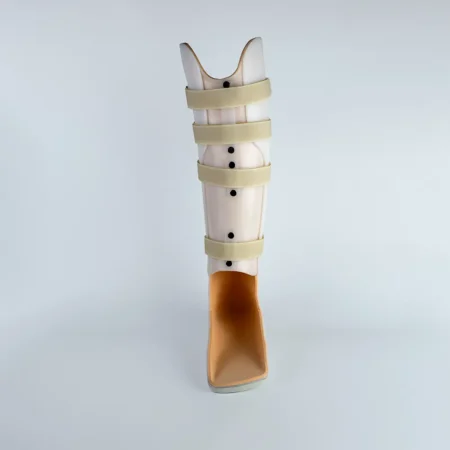
PTB orthosis redirects body weight from the foot and ankle to the patellar tendon area, reducing stress on lower limb joints and aiding rehabilitation.
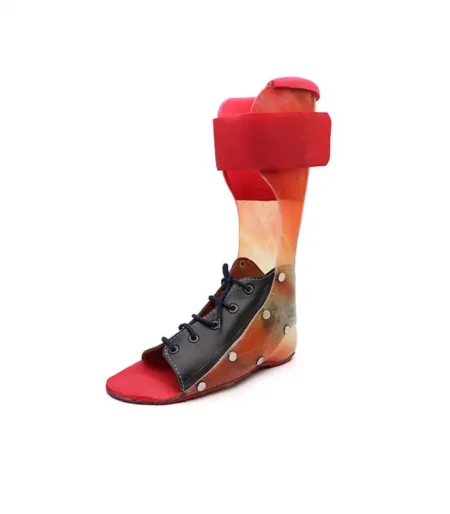
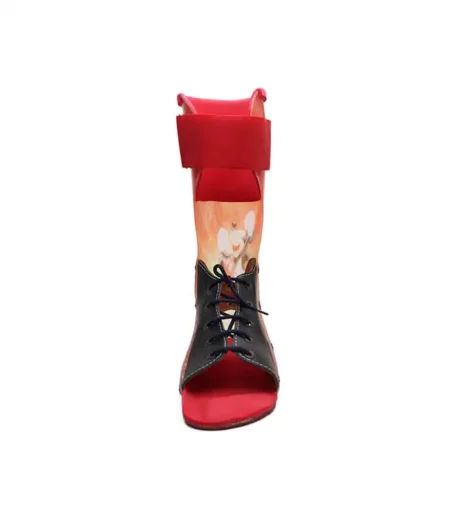
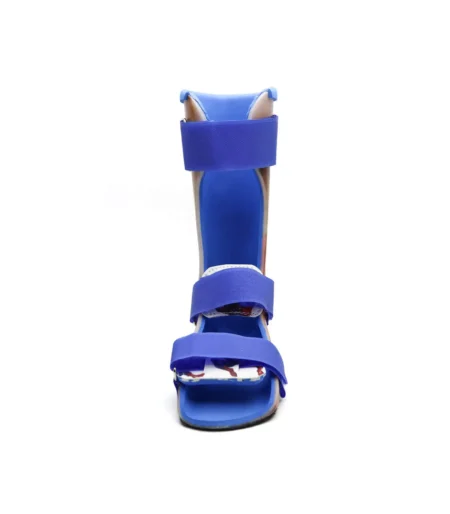
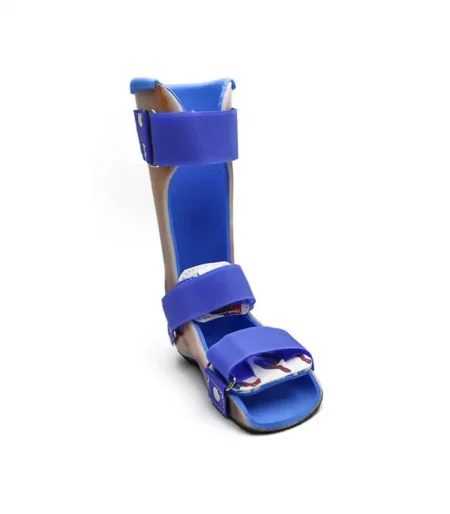
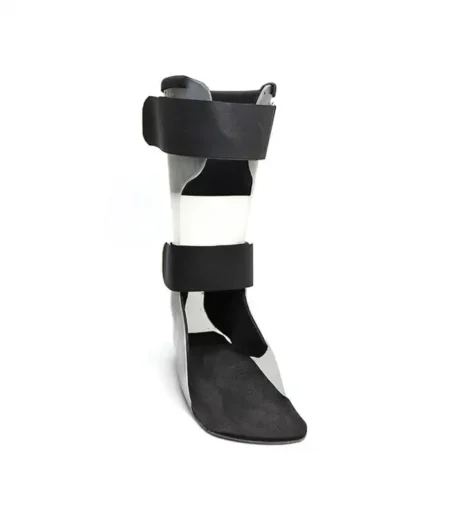
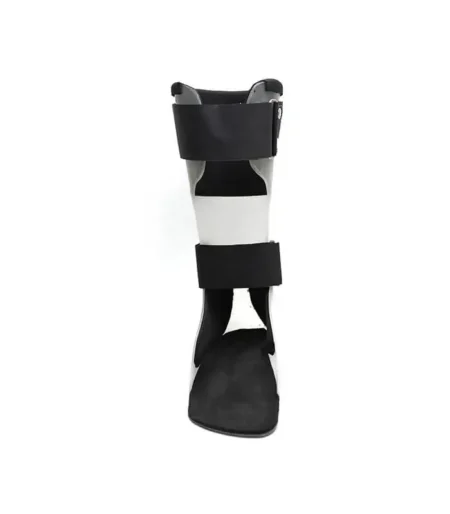
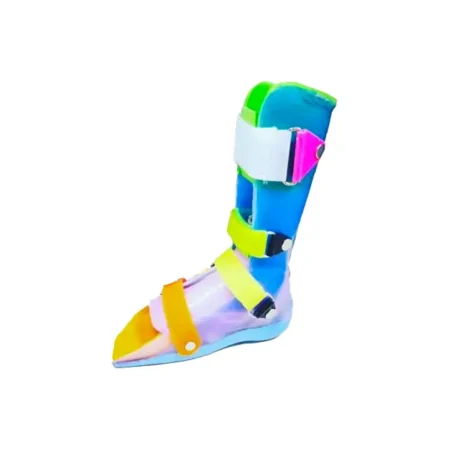
A rigid, non-articulating Ankle-Foot Orthosis (AFO) designed for static positioning of the foot and ankle complex. It provides maximum sagittal control to hold the ankle at a desired angle, making it ideal for non-ambulatory patients or for post-operative protection. This orthosis is not intended for walking.
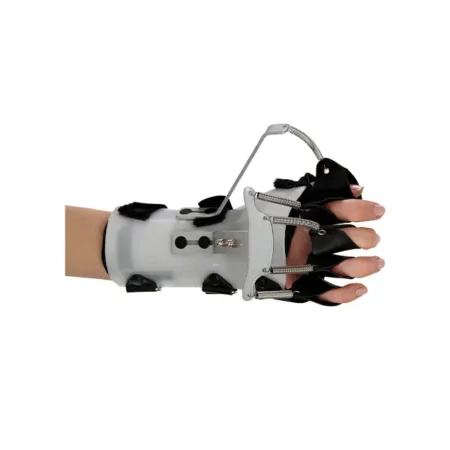
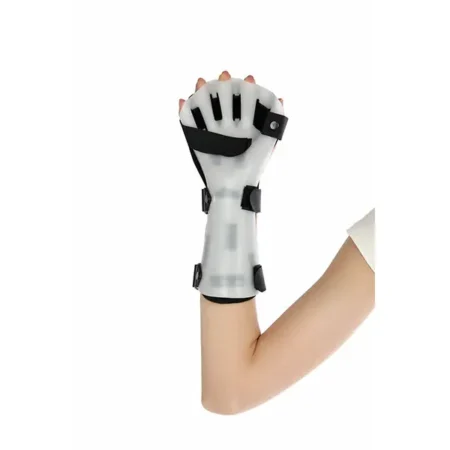
A static splint designed to maintain the hand, wrist, and fingers in a neutral therapeutic position. It is used to manage muscle spasticity and prevent contractures in neurological conditions.


Reviews
There are no reviews yet.