 English
 العربية
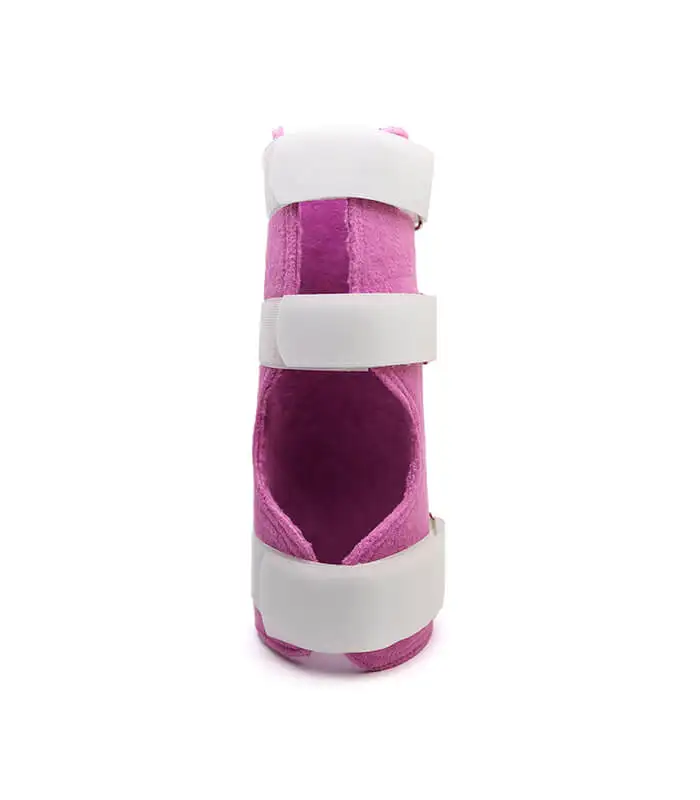
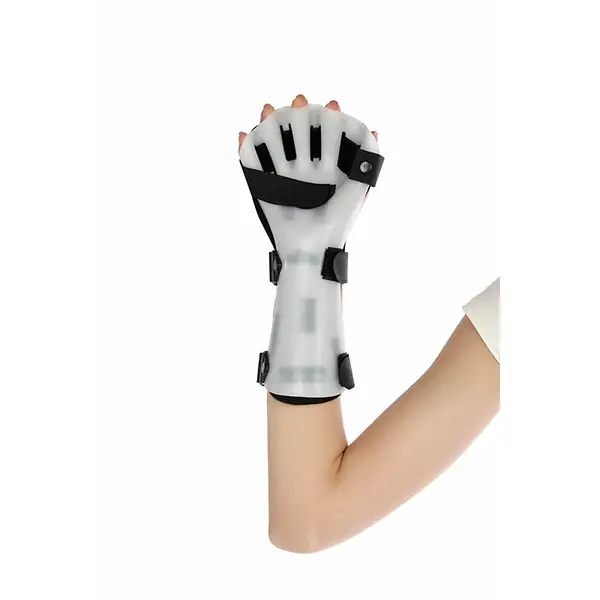
- Maintains wrist and finger alignment
- Minimizes spasms and contractures
- Prevents deformities like claw hand
- Relieves pain from neurological conditions
Dynamic Hand Splint
A static splint designed to maintain the hand, wrist, and fingers in a neutral therapeutic position. It is used to manage muscle spasticity and prevent contractures in neurological conditions.
... people are viewing this right now
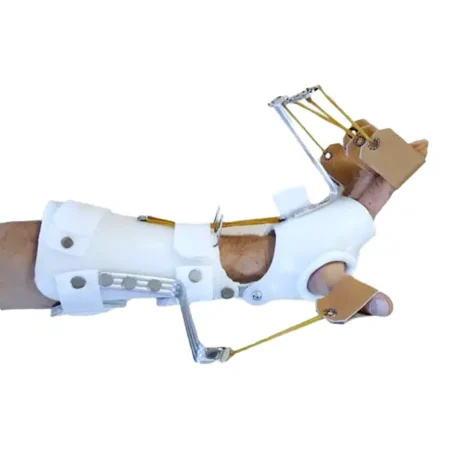
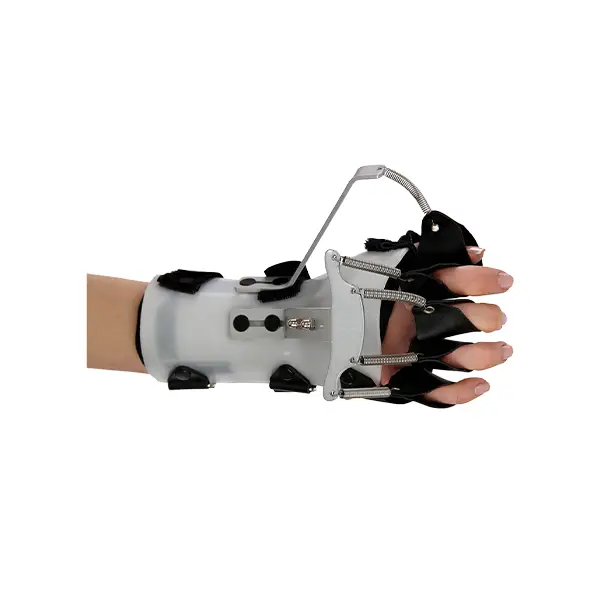
- A dynamic functional splint designed to compensate for muscle weakness in patients with radial nerve palsy. It supports the wrist in an extended position and provides dynamic assistance to extend the fingers and thumb, allowing for effective grasp and release and improving overall hand function.
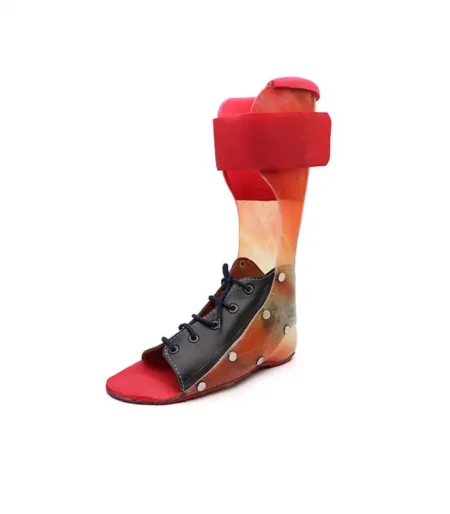
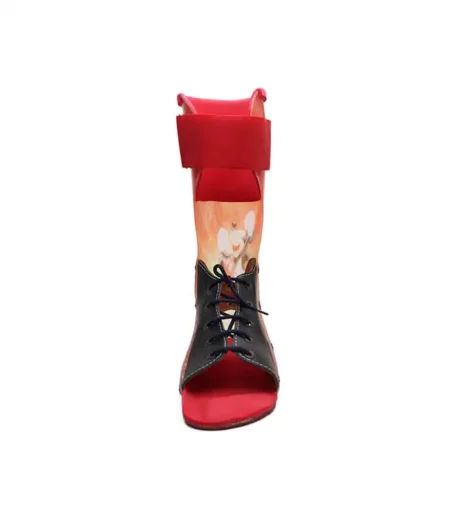
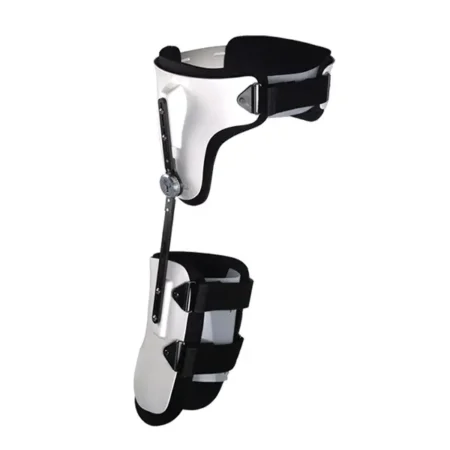
- A dynamic hip brace designed to provide stabilization and a controlled range of motion for the hip joint. It is used to manage post-operative healing, chronic instability, and prevent recurrent dislocations by maintaining the hip in a correct anatomical position.
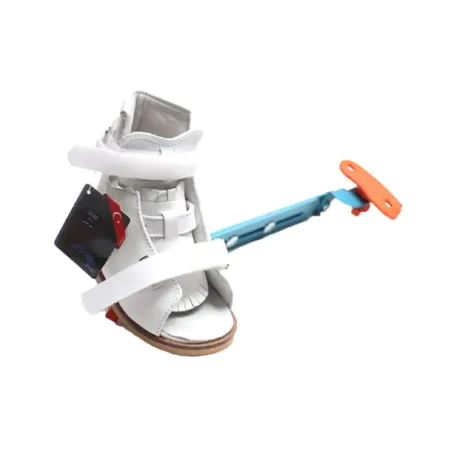
- Our Bilateral Foot Orthosis, featuring the trusted Denis Brown connecting bar, is expertly designed to provide the necessary support and correction for proper limb alignment.
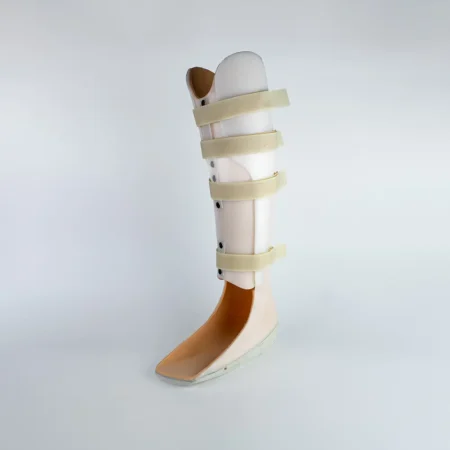
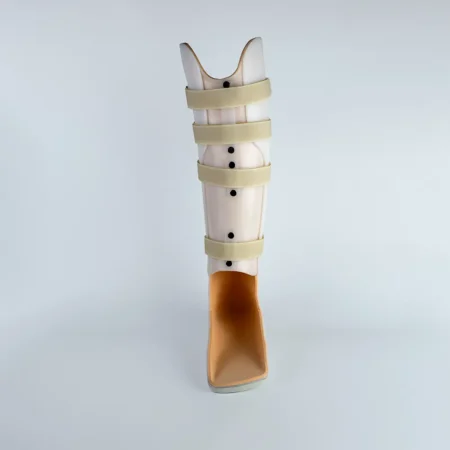
PTB orthosis redirects body weight from the foot and ankle to the patellar tendon area, reducing stress on lower limb joints and aiding rehabilitation.
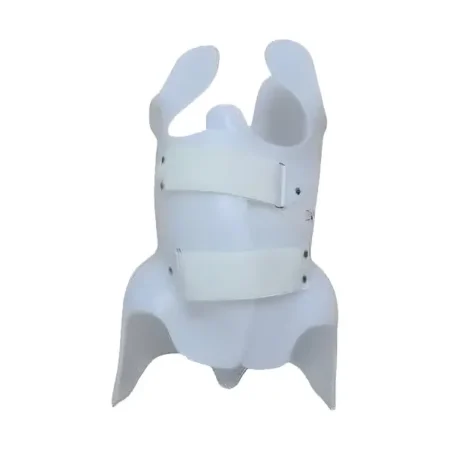
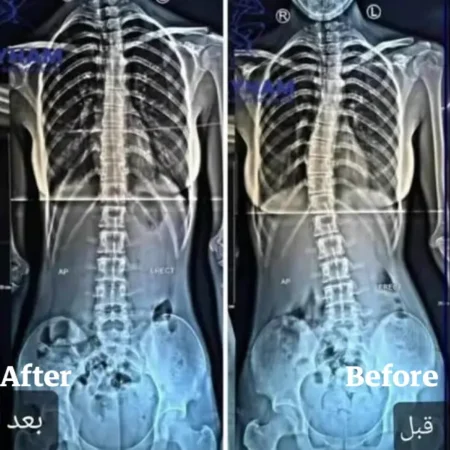
The Boston Brace is a custom-made orthosis designed to treat scoliosis without surgery. It is the most widely used scoliosis brace worldwide. This brace works by holding the spine in a corrected position and is most effective when used with physical therapy. It is clinically proven to slow or stop curve progression.
-
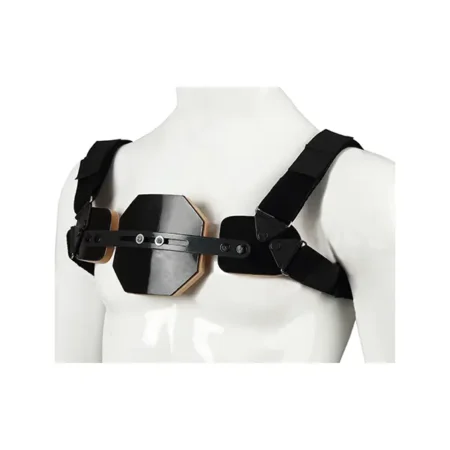
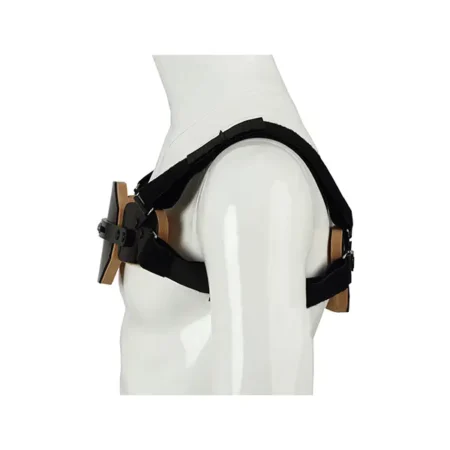
The Pectus Carinatum Brace is a non-surgical orthopedic device designed to correct protrusions of the chest wall commonly associated with pectus carinatum (also known as pigeon chest). It applies gentle, consistent pressure to the sternum and rib cage to gradually realign the chest structure over time. The brace is adjustable, ensuring a customized and comfortable fit for different body types. It is most effective when used during adolescence while the chest wall is still flexible.
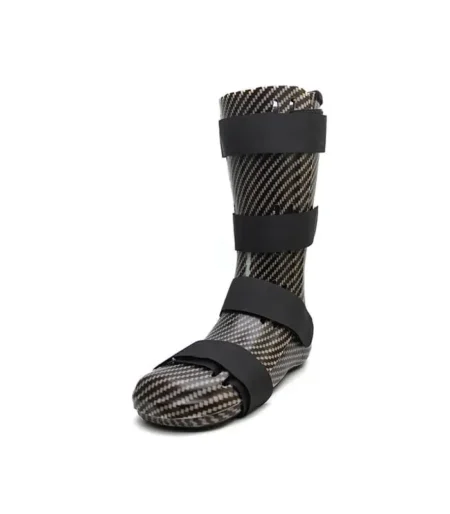
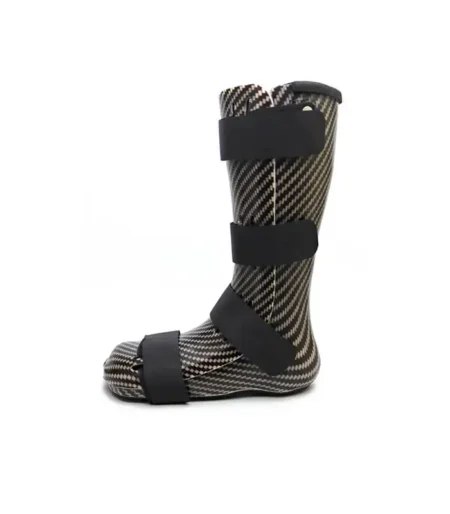
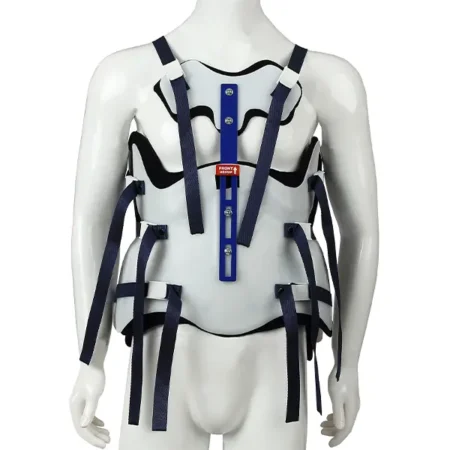
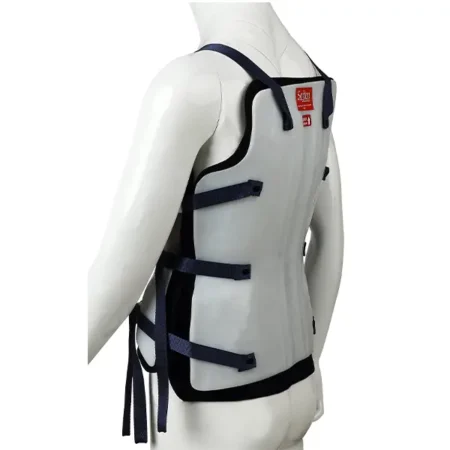
- A custom-molded spinal orthosis designed to stabilize and support the thoracic, lumbar, and sacral regions. Its two-piece clamshell design provides rigid, circumferential control to manage a wide range of spinal conditions, from post-operative recovery to chronic instabilities, while ensuring patient comfort.
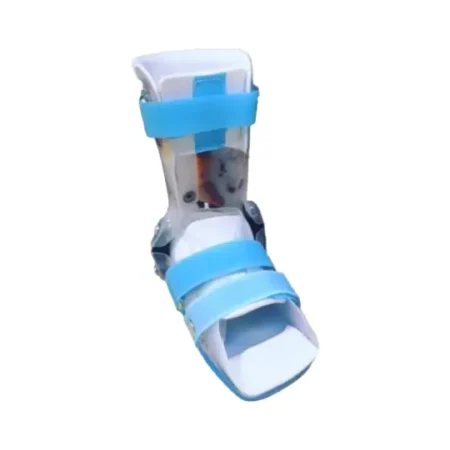
- An articulating ankle-foot orthosis (AFO) featuring a mechanical ankle joint to allow for controlled movement. It is designed to assist with dorsiflexion weakness (drop foot) and control mid-foot position, while also managing knee hyperextension caused by excessive plantarflexion.
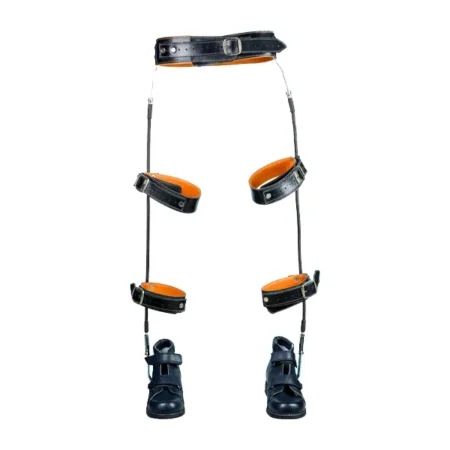
- A specialized orthosis designed to manage femoral rotational deformities, such as in-toeing or out-toeing. It consists of a pelvic belt connected to an ankle attachment via a flexible torsion cable, which applies a gentle, corrective force to control rotation of the femur during movement. This system helps guide the entire limb into a more neutral alignment throughout the gait cycle.
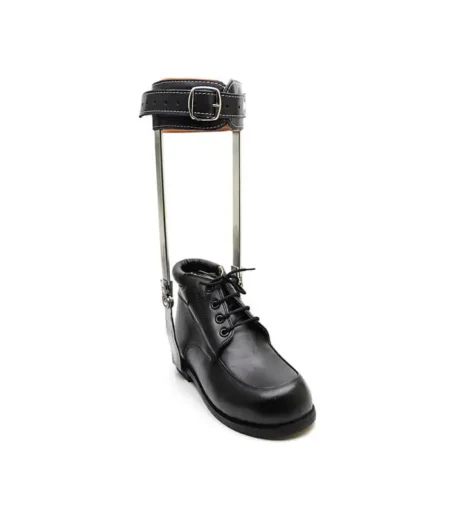
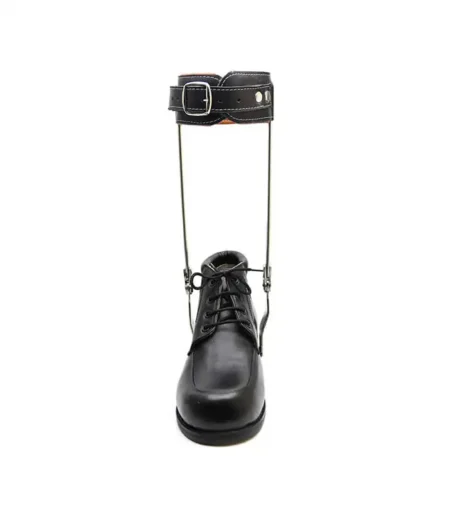
-
Strong and durable ankle-foot support
-
Adjustable and long-lasting design
-
Suitable for foot drop and weakness
-
Preferred by patients needing external support
Reviews
There are no reviews yet.