 English
 العربية
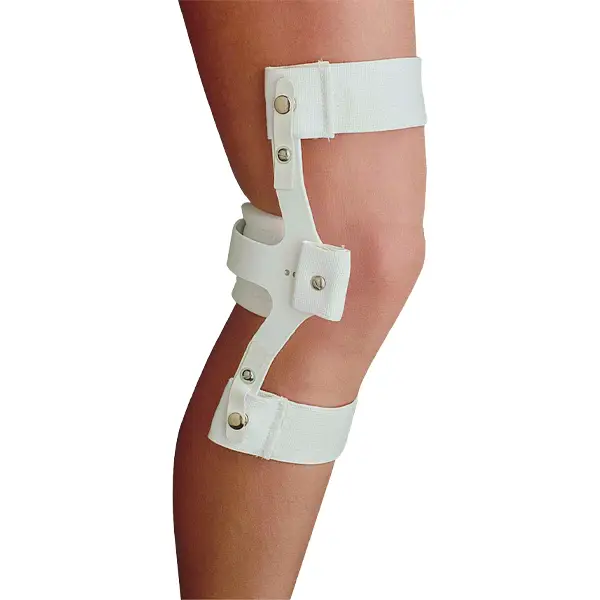
- Hyperextension Control: The strategic three-point pressure biomechanics provide targeted resistance against knee hyperextension.
- Rigid Support: Features solid mediolateral (side) metal uprights integrated into a posterior band for robust structural support and stability.
- Secure Fit: Equipped with adjustable, non-elastic straps to ensure a secure and consistent fit without stretching during use.
- Low-Profile Design: Offers effective support with a minimalist design that is less bulky than traditional knee braces.
Three-Point Pressure Knee Orthosis
- A rigid knee orthosis designed to control mild knee hyperextension (genu recurvatum). It operates on a three-point pressure system, utilizing two anterior straps and a single posterior band to effectively limit excessive backward movement of the knee joint.
... people are viewing this right now
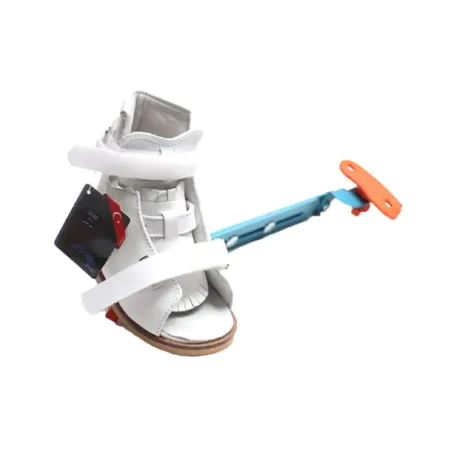
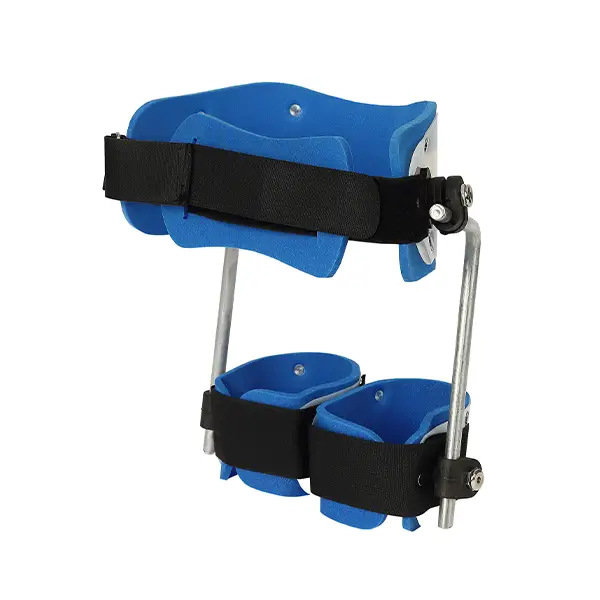
- Our Bilateral Foot Orthosis, featuring the trusted Denis Brown connecting bar, is expertly designed to provide the necessary support and correction for proper limb alignment.
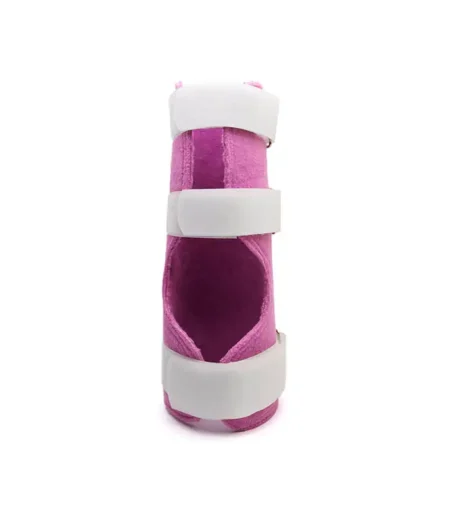
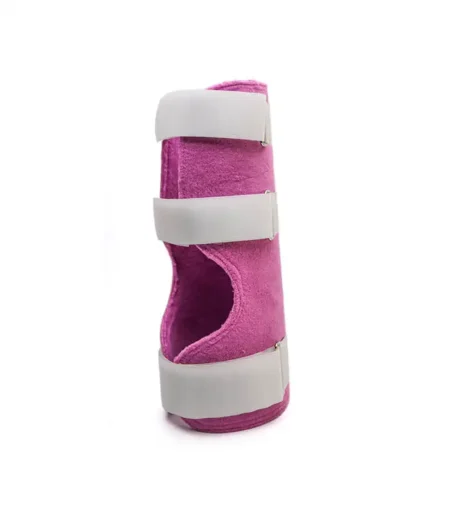
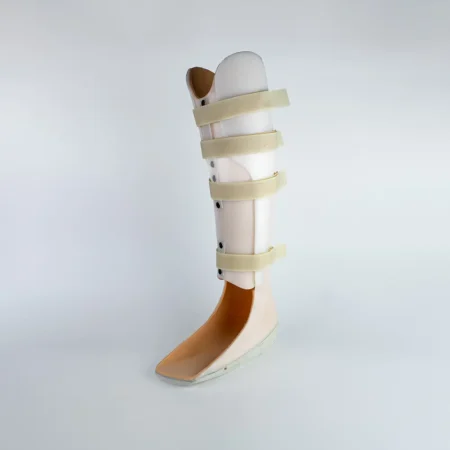
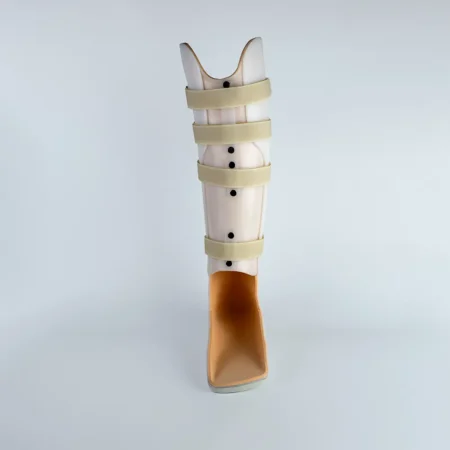
PTB orthosis redirects body weight from the foot and ankle to the patellar tendon area, reducing stress on lower limb joints and aiding rehabilitation.
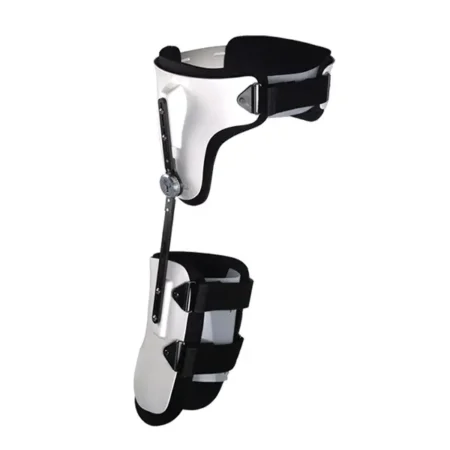
- A dynamic hip brace designed to provide stabilization and a controlled range of motion for the hip joint. It is used to manage post-operative healing, chronic instability, and prevent recurrent dislocations by maintaining the hip in a correct anatomical position.
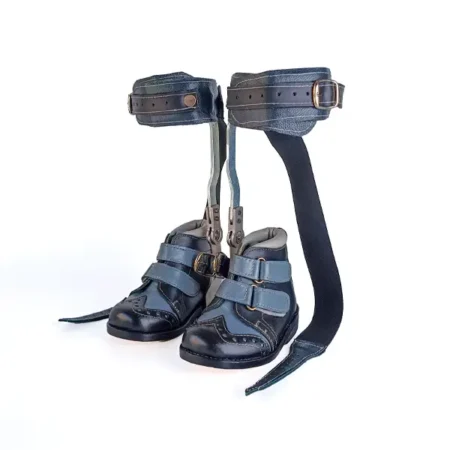
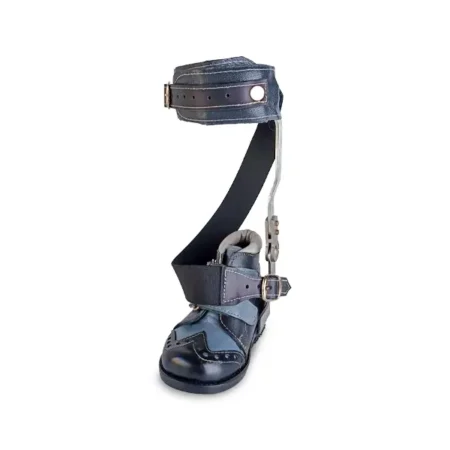
A corrective orthosis designed to manage and correct bow-leg deformities (Genu Varum) and Tibia Vara, primarily in children. The splint holds both legs straight and parallel, applying a gentle, prolonged corrective force to guide proper limb alignment, typically during periods of rest or sleep.
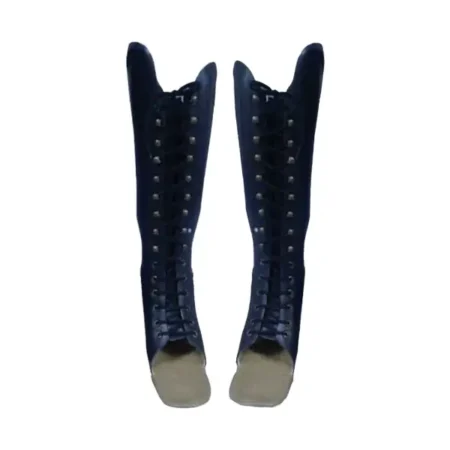
The Extended Defort AFO uses the same design as the standard model for the distal part of the orthosis. However, it features a polymeric extension that extends proximally up the calf. This model provides additional leverage length and control for those with maximum stabilization and control needs.
This design, which is effective in reducing pressure points that cause disruption to skin integrity, enhances patient comfort.

A dynamic orthosis designed for the treatment of developmental hip dysplasia in infants. It promotes healthy hip joint maturation by holding the hips in the optimal therapeutic position of flexion and abduction, often referred to as the “seated squat” or “frog-leg” position. This mimics the natural pre-birth position, creating the ideal conditions for the hip socket (acetabulum) to develop correctly around the head of the femur.
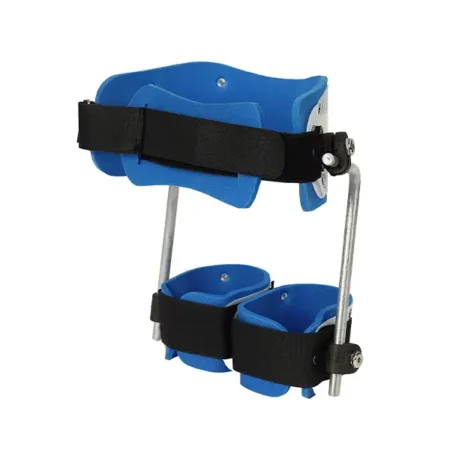
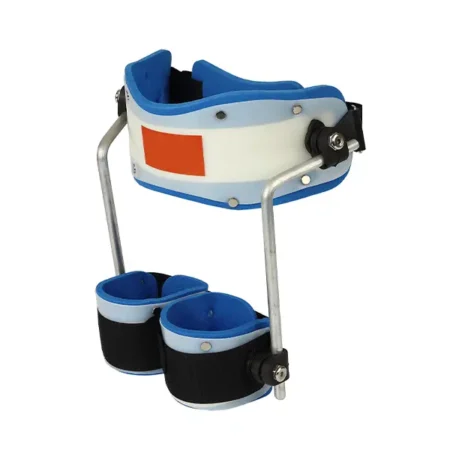
- A dynamic hip orthosis designed to manage “scissor gait” by guiding the legs into proper abduction. It improves pelvic stability and posture, providing crucial support during sitting, standing, and walking. Its low-profile design makes it especially suitable for patients with limited space between the iliac crest and the rib cage.
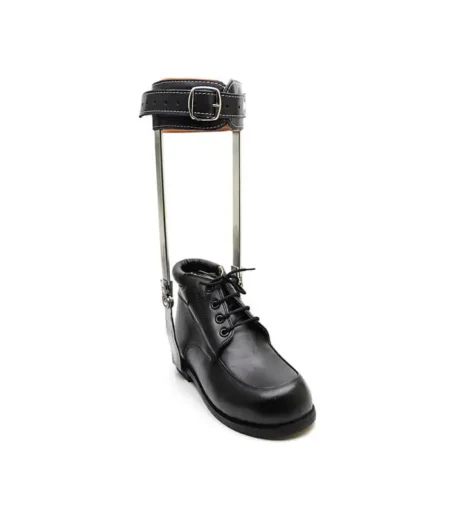
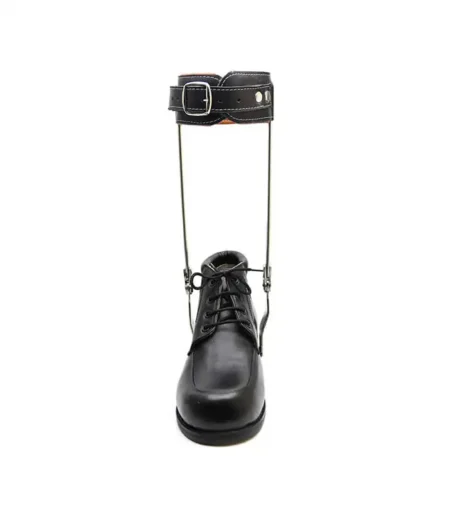
-
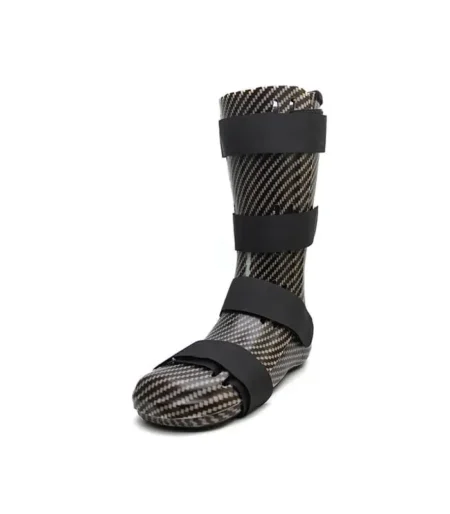
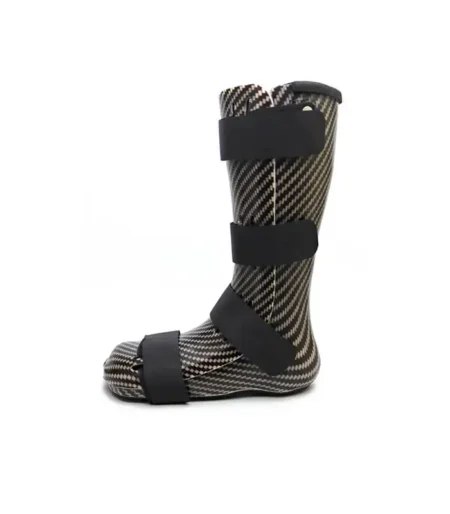
Strong and durable ankle-foot support
-
Adjustable and long-lasting design
-
Suitable for foot drop and weakness
-
Preferred by patients needing external support
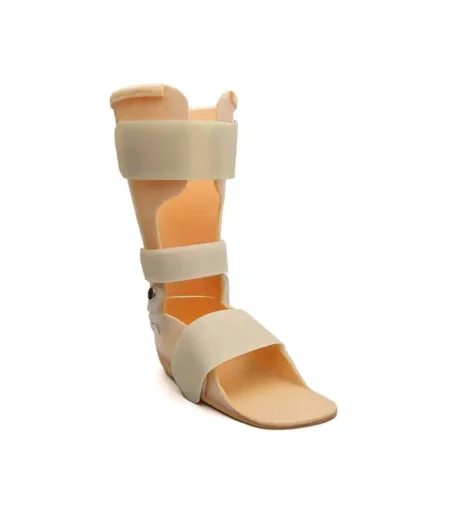
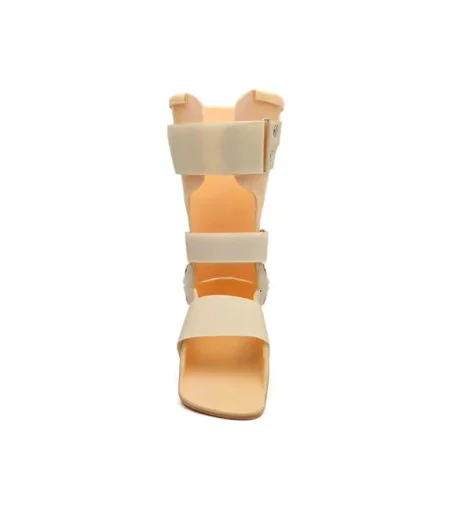
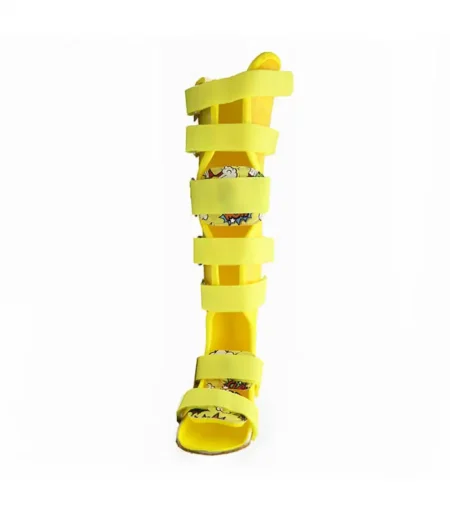
KAFO provides complete support from the foot to the knee. It’s designed for individuals with lower limb weakness or paralysis to improve standing balance and walking ability.
Reviews
There are no reviews yet.