 English
 العربية
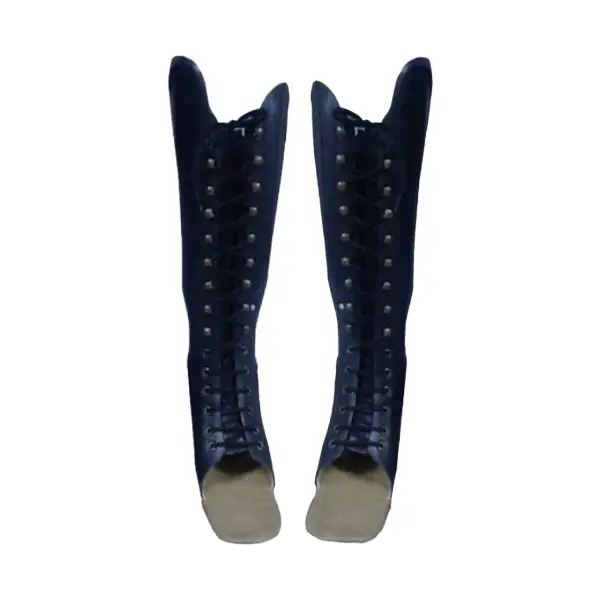


- Treats Hip Dysplasia
- Promotes Joint Maturation
- Gentle, Dynamic Positioning
Hip Abduction Orthosis
A dynamic orthosis designed for the treatment of developmental hip dysplasia in infants. It promotes healthy hip joint maturation by holding the hips in the optimal therapeutic position of flexion and abduction, often referred to as the “seated squat” or “frog-leg” position. This mimics the natural pre-birth position, creating the ideal conditions for the hip socket (acetabulum) to develop correctly around the head of the femur.
... people are viewing this right now
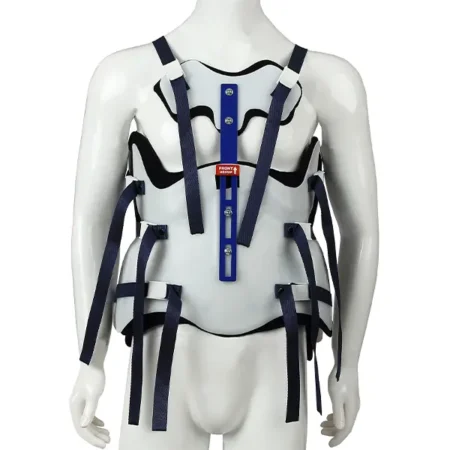
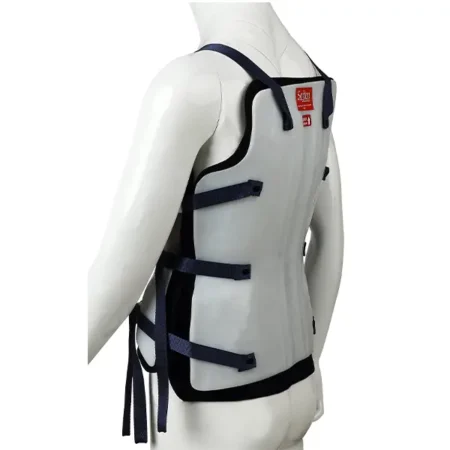
- A custom-molded spinal orthosis designed to stabilize and support the thoracic, lumbar, and sacral regions. Its two-piece clamshell design provides rigid, circumferential control to manage a wide range of spinal conditions, from post-operative recovery to chronic instabilities, while ensuring patient comfort.
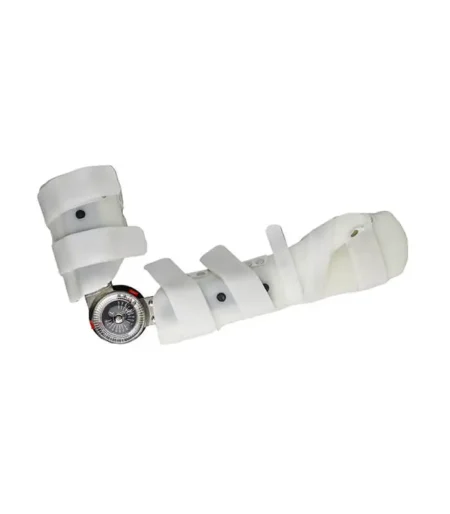
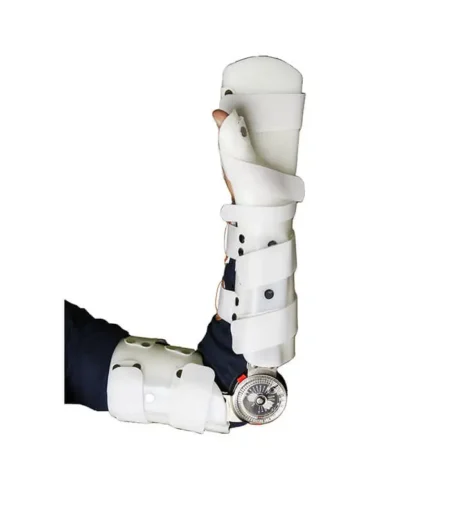
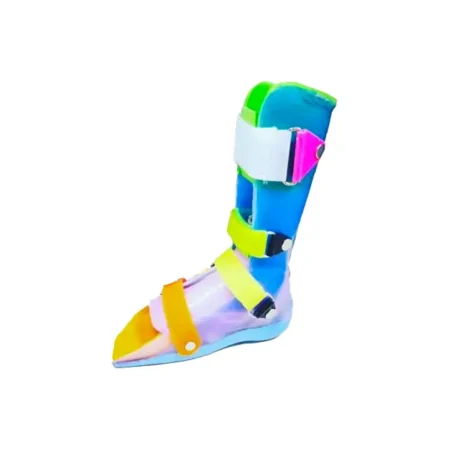
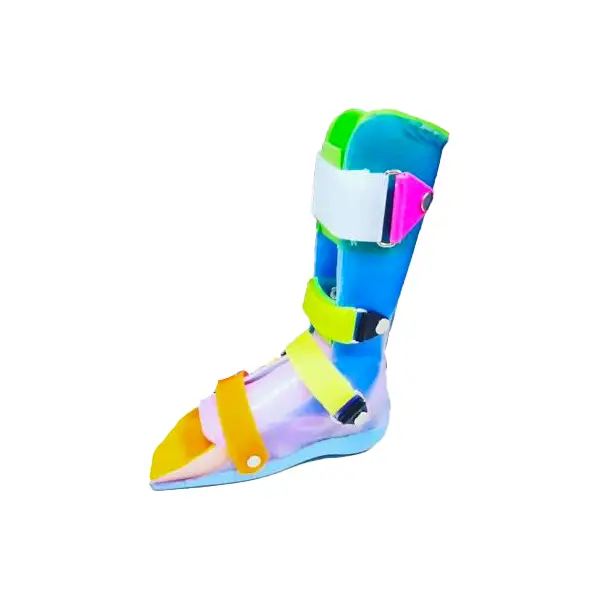
A rigid, non-articulating Ankle-Foot Orthosis (AFO) designed for static positioning of the foot and ankle complex. It provides maximum sagittal control to hold the ankle at a desired angle, making it ideal for non-ambulatory patients or for post-operative protection. This orthosis is not intended for walking.
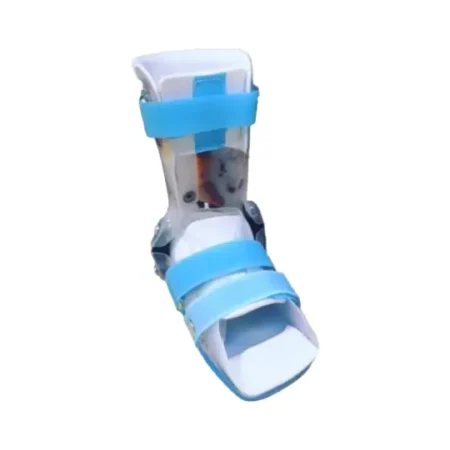
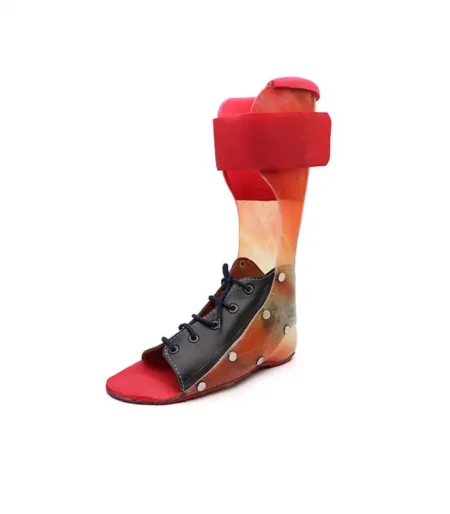
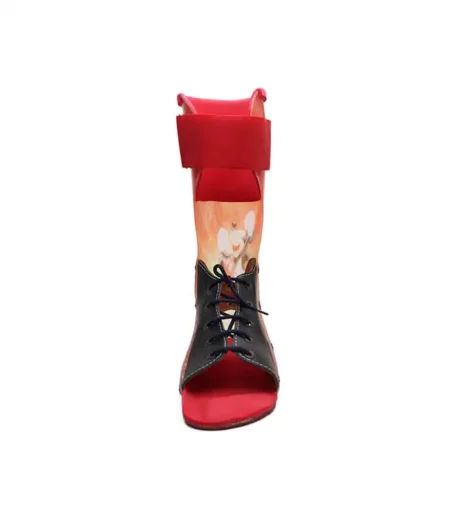
- An articulating ankle-foot orthosis (AFO) featuring a mechanical ankle joint to allow for controlled movement. It is designed to assist with dorsiflexion weakness (drop foot) and control mid-foot position, while also managing knee hyperextension caused by excessive plantarflexion.
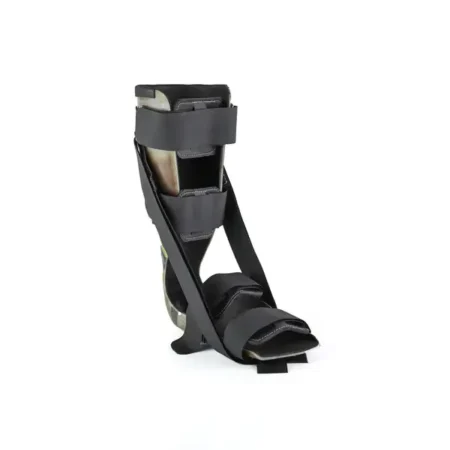
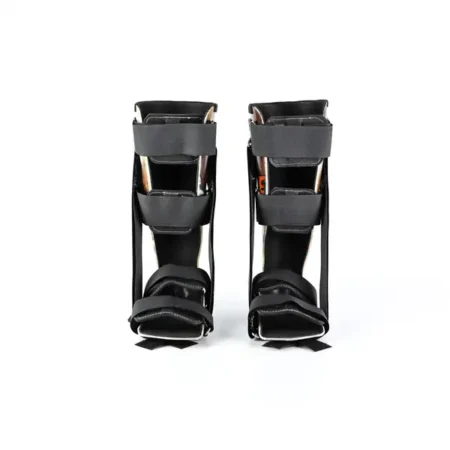
Adjustable Straps: Designed with Velcro fasteners for precise fitting, allowing flexibility to accommodate leg swelling or size variation
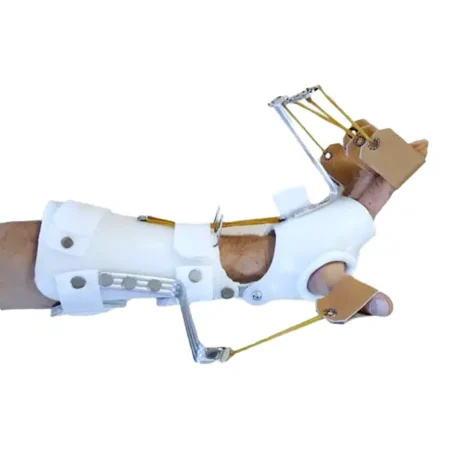
- A dynamic functional splint designed to compensate for muscle weakness in patients with radial nerve palsy. It supports the wrist in an extended position and provides dynamic assistance to extend the fingers and thumb, allowing for effective grasp and release and improving overall hand function.
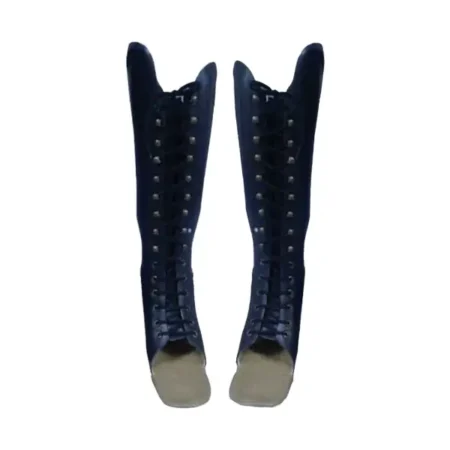
The Extended Defort AFO uses the same design as the standard model for the distal part of the orthosis. However, it features a polymeric extension that extends proximally up the calf. This model provides additional leverage length and control for those with maximum stabilization and control needs.
This design, which is effective in reducing pressure points that cause disruption to skin integrity, enhances patient comfort.
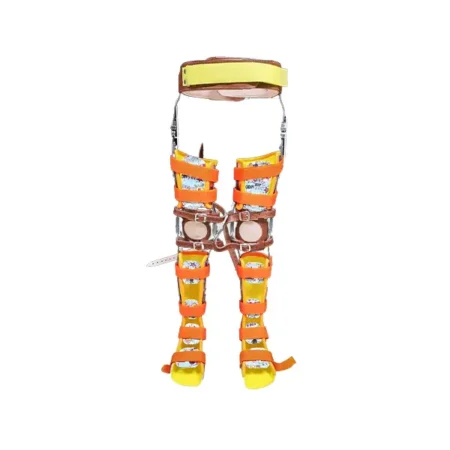
-
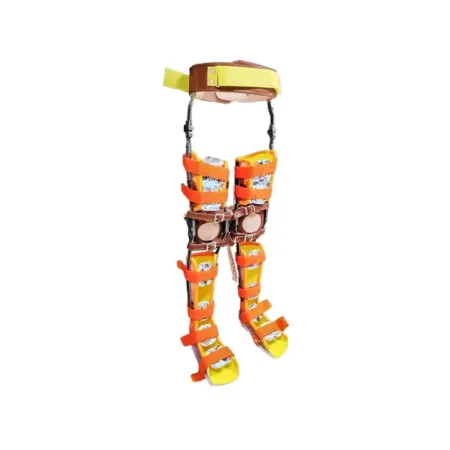
Custom Fit & Adjustable Design: Features adjustable components and secure strapping systems to ensure optimal fit, comfort, and alignment across the hip, knee, ankle, and foot.
-
Durable Construction: Made from high-strength lightweight materials for long-term wear and functional support.
-
Joint Stabilization: Incorporates locking or adjustable knee and hip joints to control movement as needed for therapeutic or functional purposes.
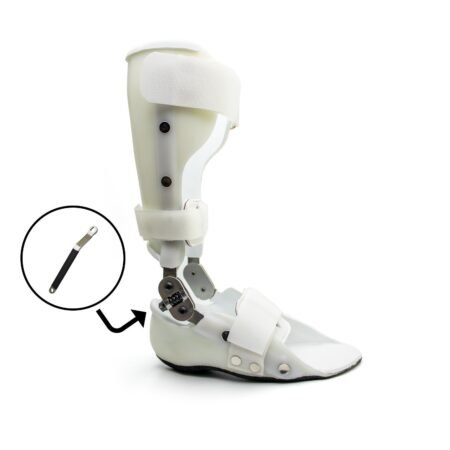
Properties:
- Provides controlled ankle support to prevent and correct contractures.
- Adjustable straps for a secure, customizable fit.
- Lightweight, durable materials (TPU or carbon fiber) for comfort and strength.
- Joint mechanism allows adjustable range of motion.
- Padded lining for pressure relief and long-term wear comfort.
- Ventilated design to keep skin dry and reduce irritation.
- Rigid foot plate for proper alignment and gait stability.
Specifications:
- Material: Thermoplastic polyurethane or carbon fiber composite
- Sizes: S, M, L, XL or (Custom-made)
- Weight: Lightweight for ease of use and mobility
Indications:
- Prevention and correction of ankle joint stiffness or contractures.
- Post-injury or post-surgical rehabilitation.
- Management of neurological or muscular conditions affecting ankle mobility.
- Gait improvement and stabilization in patients with muscle weakness or imbalance.
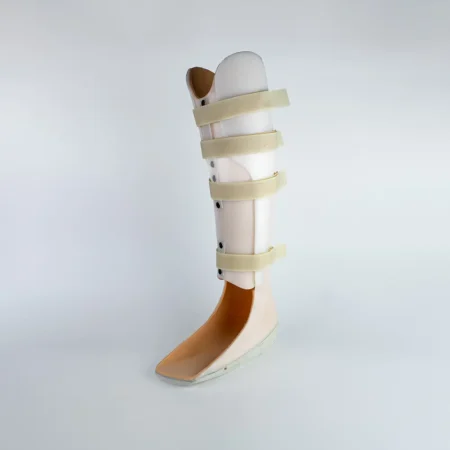
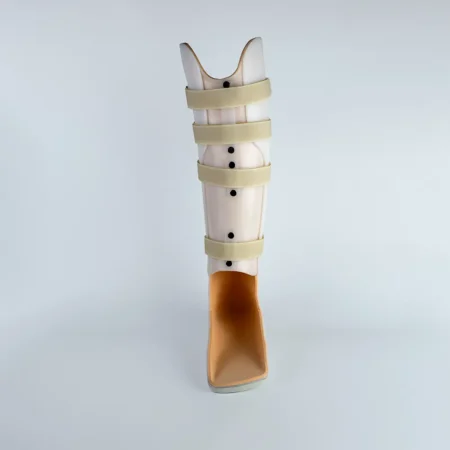
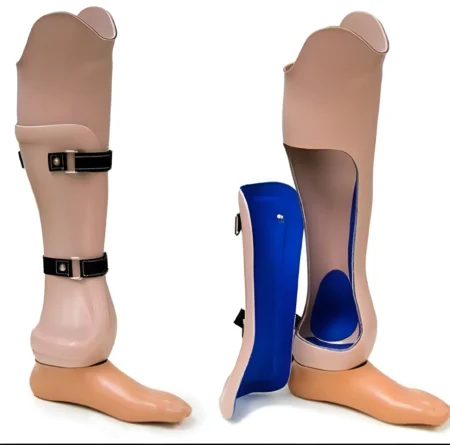
PTB orthosis redirects body weight from the foot and ankle to the patellar tendon area, reducing stress on lower limb joints and aiding rehabilitation.
Reviews
There are no reviews yet.