 English
 العربية
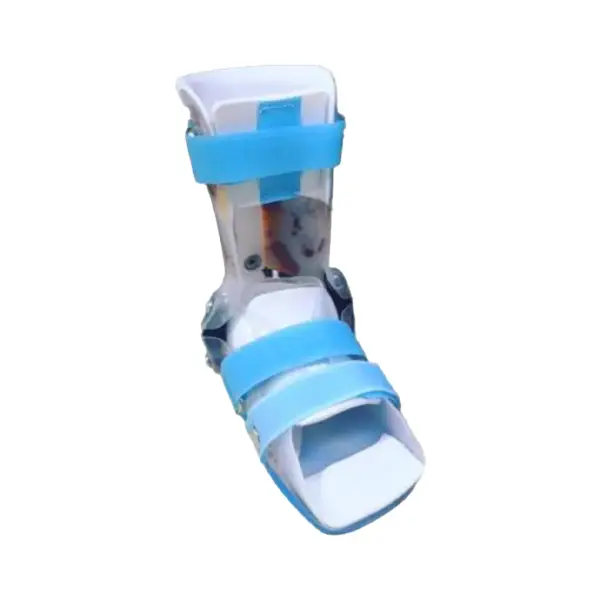
- Recommended for:- Dorsiflexion weakness with mid-foot deviations with knee flexion stability intact.
– Tiptoe walking
– Knee hyperextension due to plantarflexion
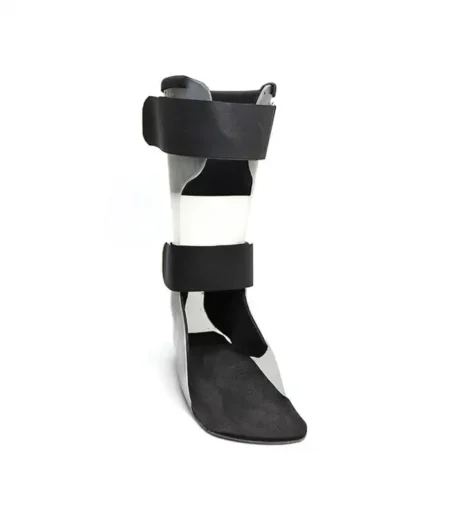
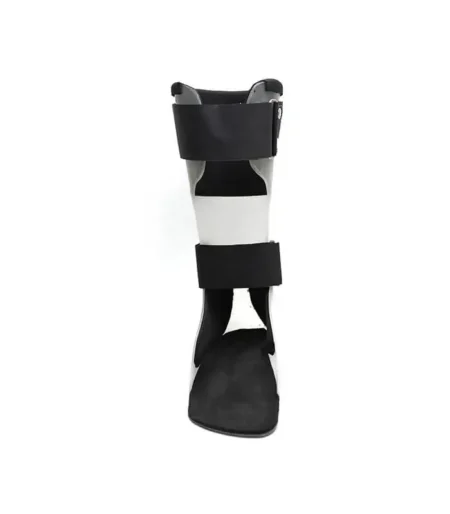
Articulating AFO
- An articulating ankle-foot orthosis (AFO) featuring a mechanical ankle joint to allow for controlled movement. It is designed to assist with dorsiflexion weakness (drop foot) and control mid-foot position, while also managing knee hyperextension caused by excessive plantarflexion.
... people are viewing this right now
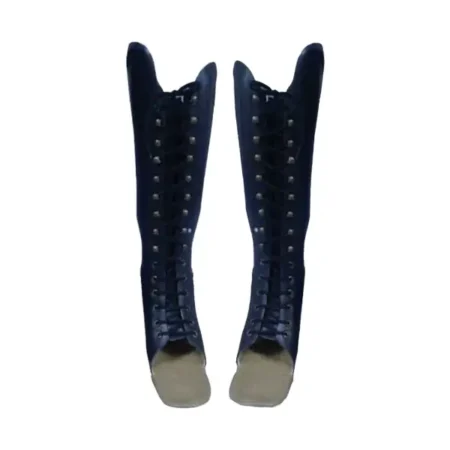
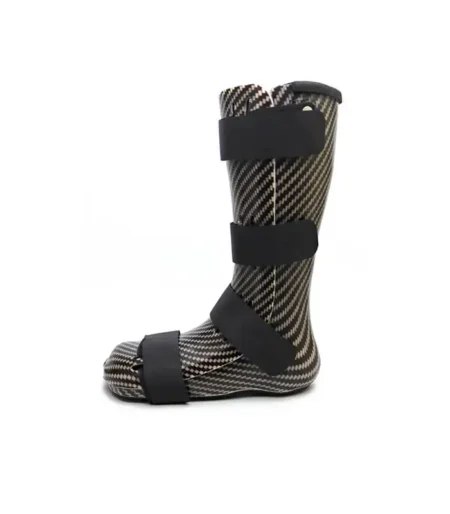
The Extended Defort AFO uses the same design as the standard model for the distal part of the orthosis. However, it features a polymeric extension that extends proximally up the calf. This model provides additional leverage length and control for those with maximum stabilization and control needs.
This design, which is effective in reducing pressure points that cause disruption to skin integrity, enhances patient comfort.
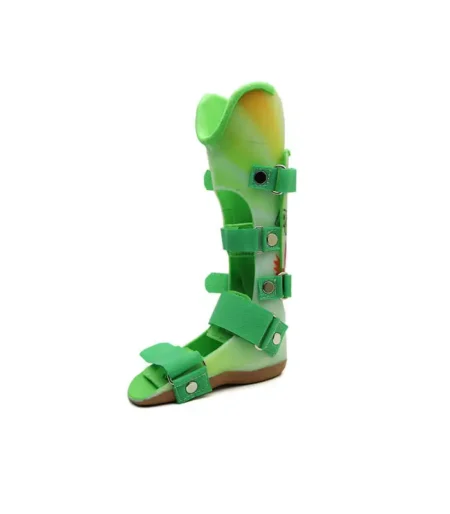
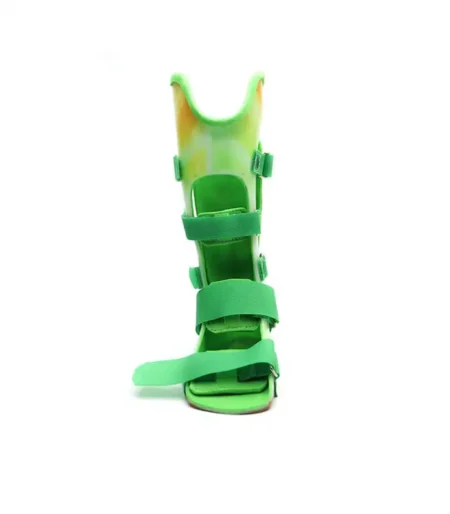
GRAFO is designed to improve knee and leg stability by using ground reaction forces during walking. It is ideal for individuals with weak knee extension or difficulty maintaining upright posture.
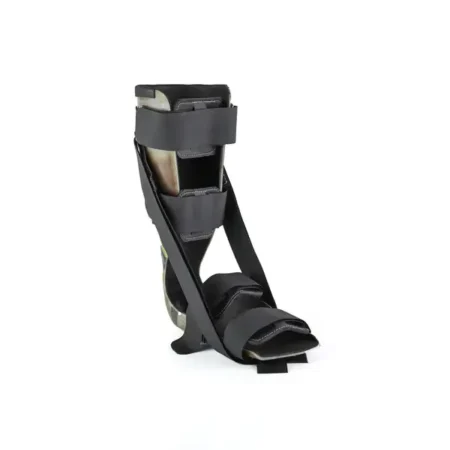
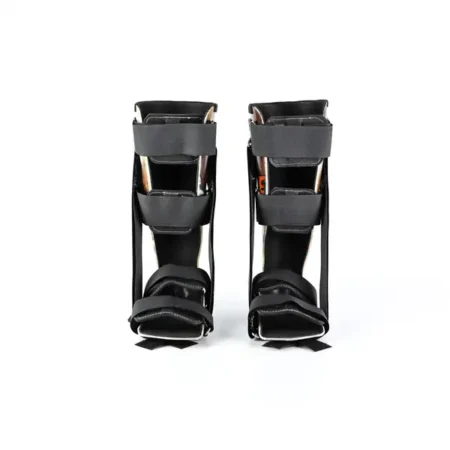
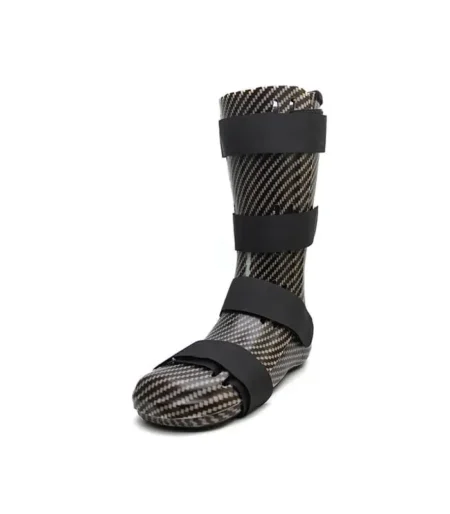
Adjustable Straps: Designed with Velcro fasteners for precise fitting, allowing flexibility to accommodate leg swelling or size variation
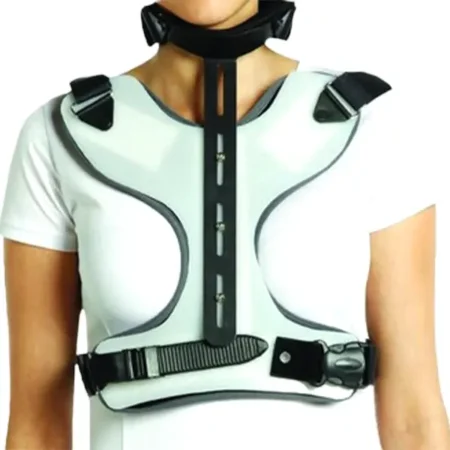
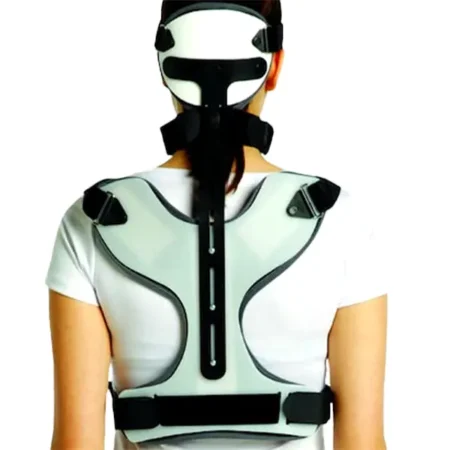
- A non-invasive spinal orthosis designed to provide rigid immobilization to the cervical and upper thoracic spine (CTO). The Minerva CTO stabilizes the head and neck, restricting motion to protect against further injury and promote healing after severe trauma or surgery.
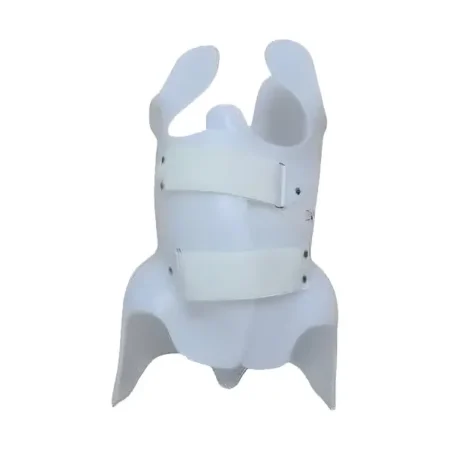
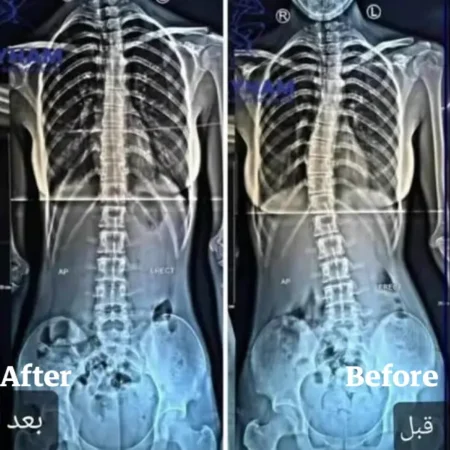
The Boston Brace is a custom-made orthosis designed to treat scoliosis without surgery. It is the most widely used scoliosis brace worldwide. This brace works by holding the spine in a corrected position and is most effective when used with physical therapy. It is clinically proven to slow or stop curve progression.
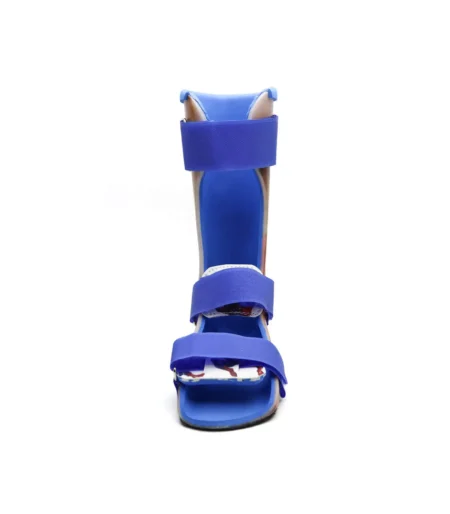
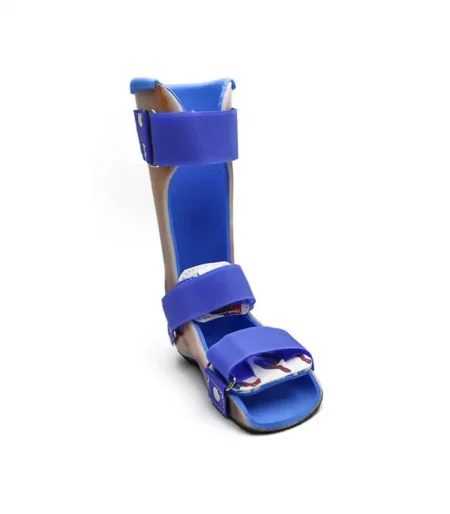
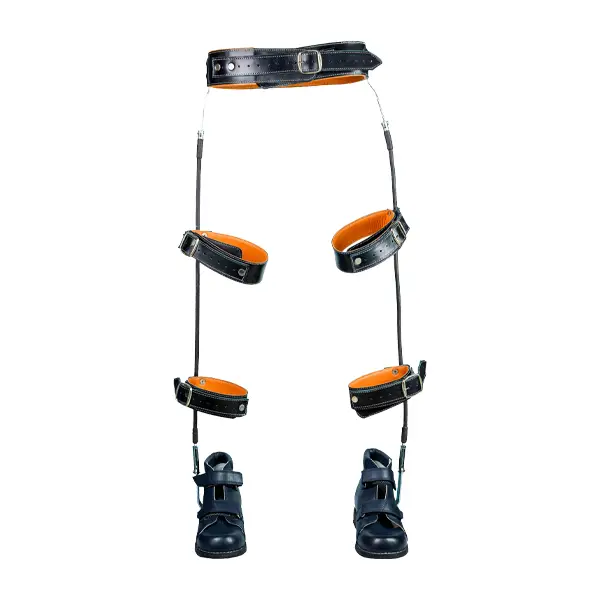
Ideal for lower limb weakness or paralysis. Stabilizes the knee, supports the ankle, and improves balance.
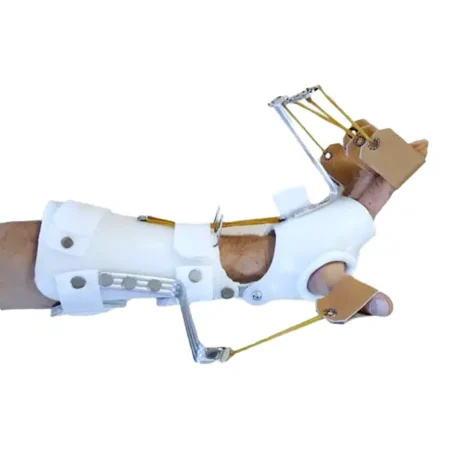
- A dynamic functional splint designed to compensate for muscle weakness in patients with radial nerve palsy. It supports the wrist in an extended position and provides dynamic assistance to extend the fingers and thumb, allowing for effective grasp and release and improving overall hand function.
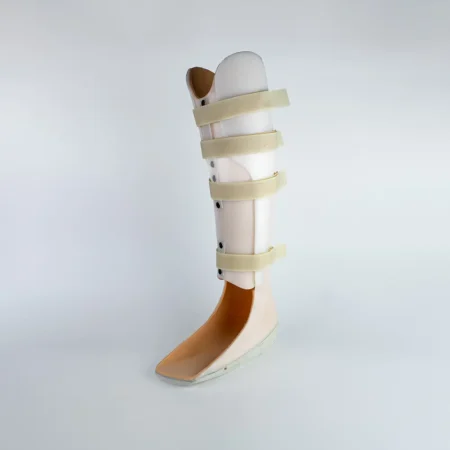
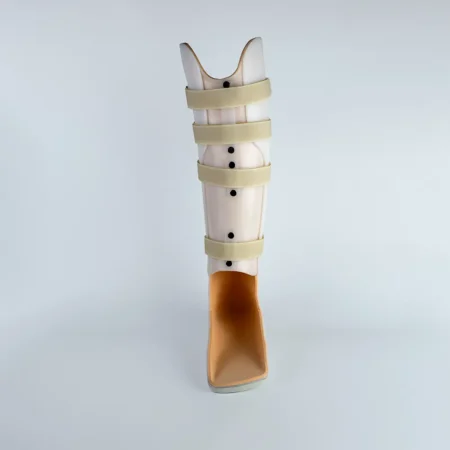
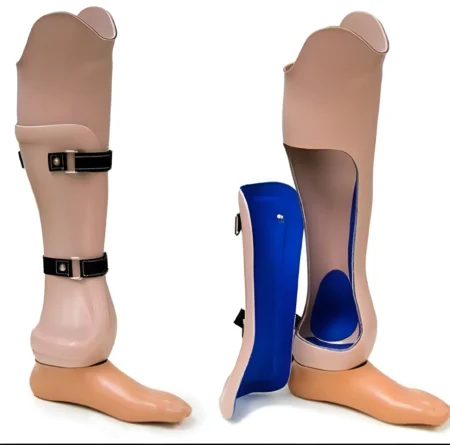
PTB orthosis redirects body weight from the foot and ankle to the patellar tendon area, reducing stress on lower limb joints and aiding rehabilitation.
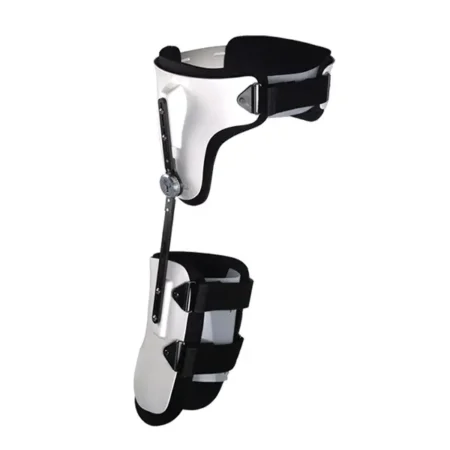
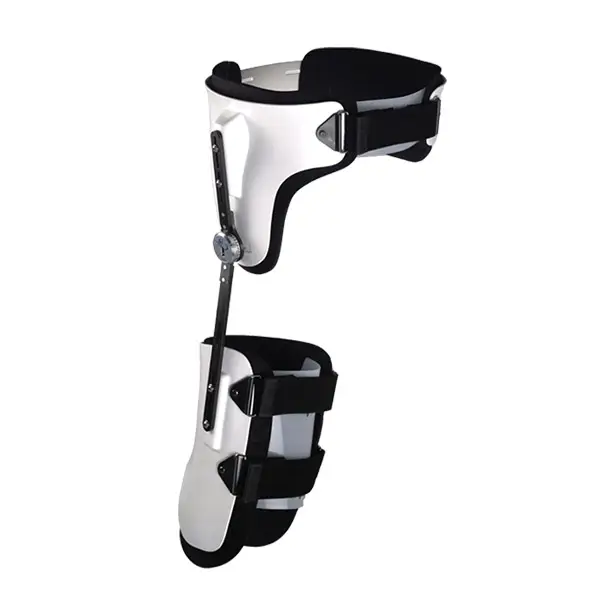
- A dynamic hip brace designed to provide stabilization and a controlled range of motion for the hip joint. It is used to manage post-operative healing, chronic instability, and prevent recurrent dislocations by maintaining the hip in a correct anatomical position.
Reviews
There are no reviews yet.