 English
 العربية
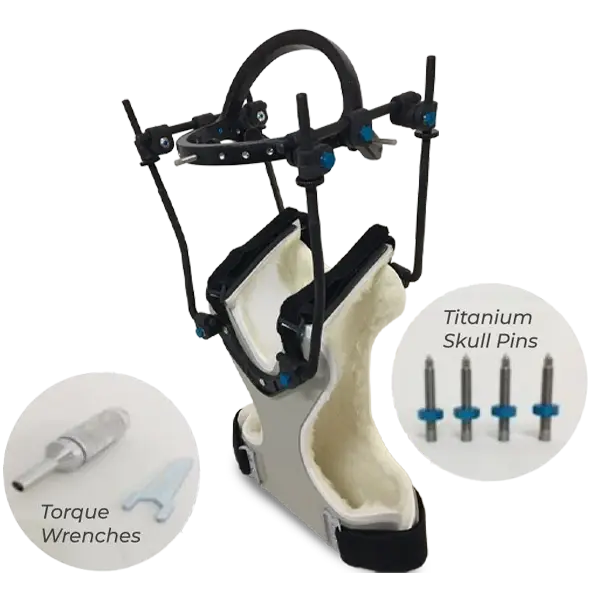
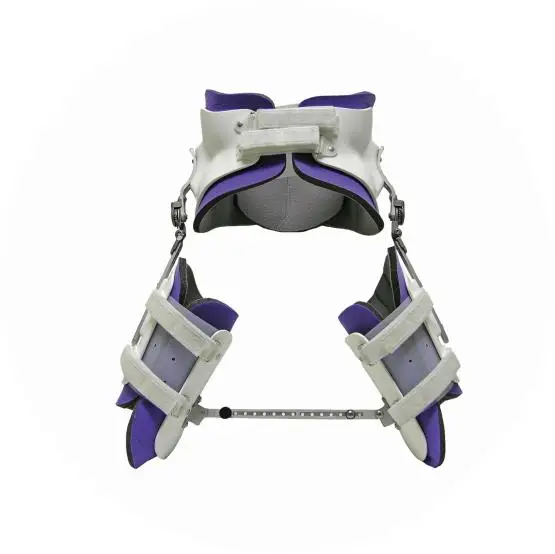
- For Perthes Disease
- Maintains Hip Abduction
- Allows for Walking
HIP ABDUCTION ORTHOSIS (SCOTTISH RITE)
A lightweight hip orthosis specifically designed for the management of Perthes disease. The Scottish Rite brace maintains the patient’s hips in abduction to ensure proper containment of the femoral head within the hip socket, while its free hip joints allow for flexion and extension to permit ambulation during treatment.
... people are viewing this right now
- A dynamic hip orthosis designed to manage “scissor gait” by guiding the legs into proper abduction. It improves pelvic stability and posture, providing crucial support during sitting, standing, and walking. Its low-profile design makes it especially suitable for patients with limited space between the iliac crest and the rib cage.
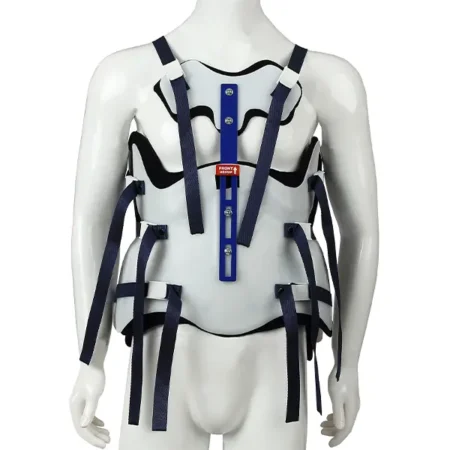
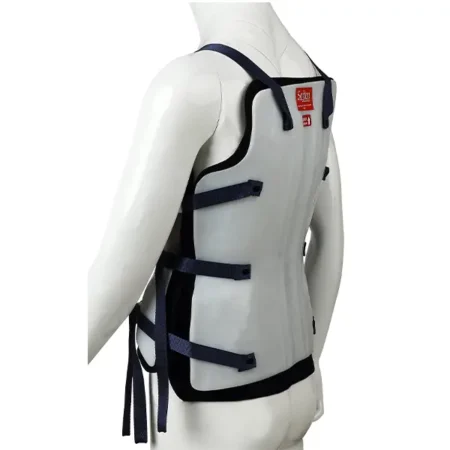
- A custom-molded spinal orthosis designed to stabilize and support the thoracic, lumbar, and sacral regions. Its two-piece clamshell design provides rigid, circumferential control to manage a wide range of spinal conditions, from post-operative recovery to chronic instabilities, while ensuring patient comfort.
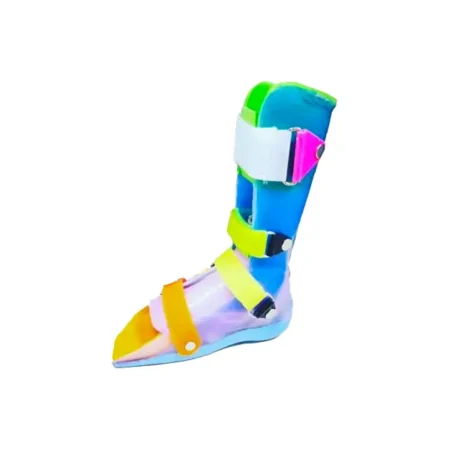
A rigid, non-articulating Ankle-Foot Orthosis (AFO) designed for static positioning of the foot and ankle complex. It provides maximum sagittal control to hold the ankle at a desired angle, making it ideal for non-ambulatory patients or for post-operative protection. This orthosis is not intended for walking.

A dynamic orthosis designed for the treatment of developmental hip dysplasia in infants. It promotes healthy hip joint maturation by holding the hips in the optimal therapeutic position of flexion and abduction, often referred to as the “seated squat” or “frog-leg” position. This mimics the natural pre-birth position, creating the ideal conditions for the hip socket (acetabulum) to develop correctly around the head of the femur.
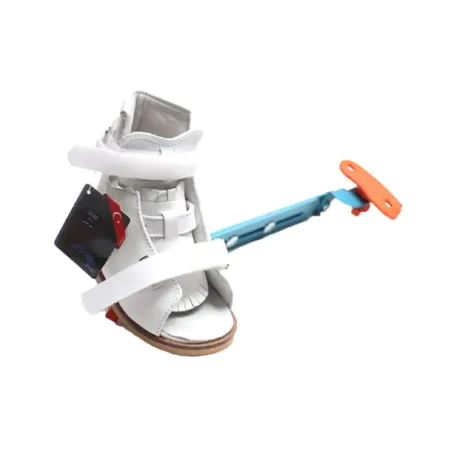
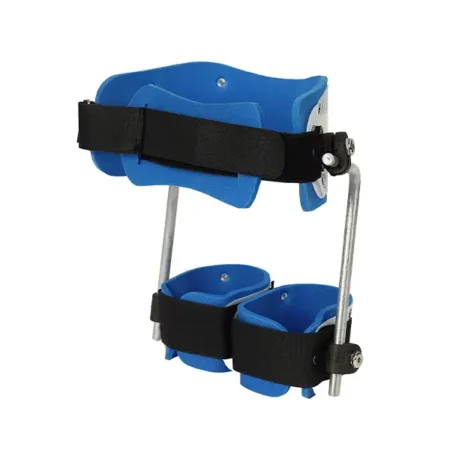
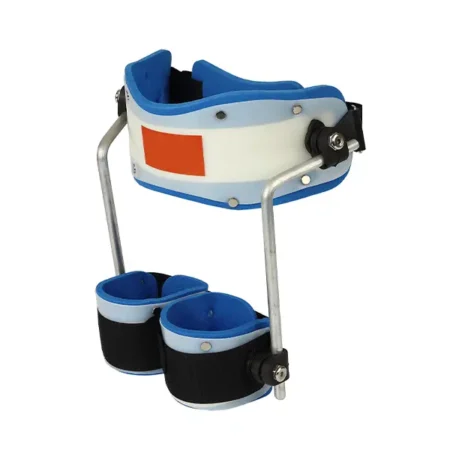
- Our Bilateral Foot Orthosis, featuring the trusted Denis Brown connecting bar, is expertly designed to provide the necessary support and correction for proper limb alignment.
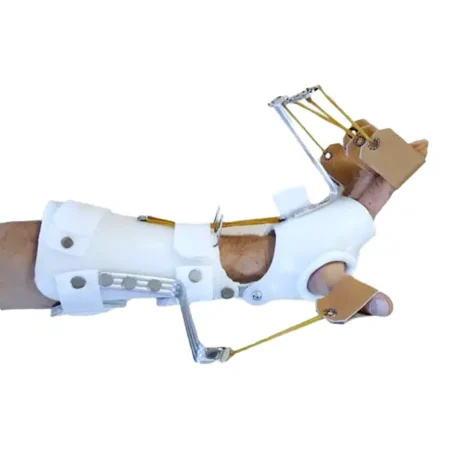
- A dynamic functional splint designed to compensate for muscle weakness in patients with radial nerve palsy. It supports the wrist in an extended position and provides dynamic assistance to extend the fingers and thumb, allowing for effective grasp and release and improving overall hand function.
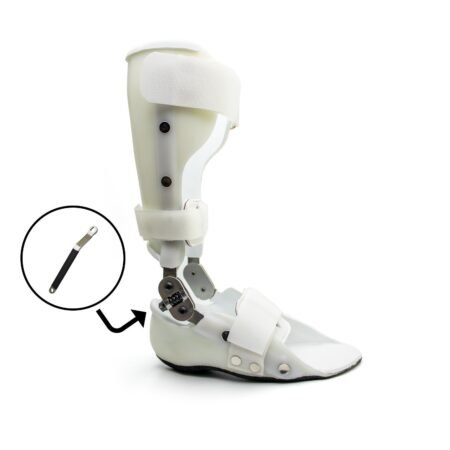
Properties:
- Provides controlled ankle support to prevent and correct contractures.
- Adjustable straps for a secure, customizable fit.
- Lightweight, durable materials (TPU or carbon fiber) for comfort and strength.
- Joint mechanism allows adjustable range of motion.
- Padded lining for pressure relief and long-term wear comfort.
- Ventilated design to keep skin dry and reduce irritation.
- Rigid foot plate for proper alignment and gait stability.
Specifications:
- Material: Thermoplastic polyurethane or carbon fiber composite
- Sizes: S, M, L, XL or (Custom-made)
- Weight: Lightweight for ease of use and mobility
Indications:
- Prevention and correction of ankle joint stiffness or contractures.
- Post-injury or post-surgical rehabilitation.
- Management of neurological or muscular conditions affecting ankle mobility.
- Gait improvement and stabilization in patients with muscle weakness or imbalance.
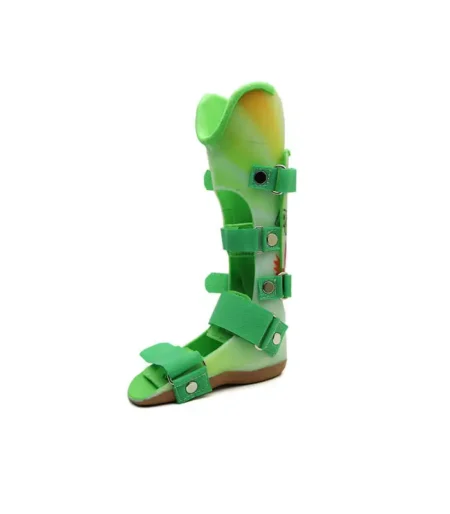
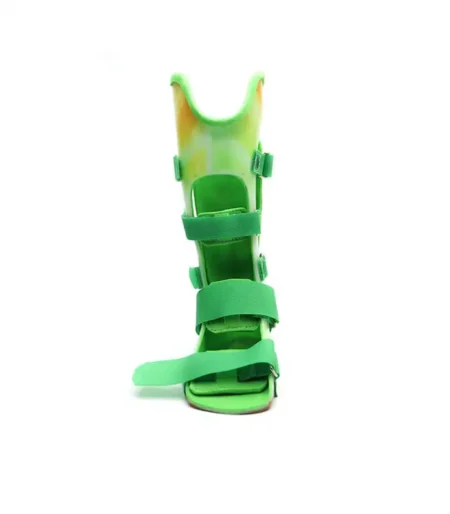
GRAFO is designed to improve knee and leg stability by using ground reaction forces during walking. It is ideal for individuals with weak knee extension or difficulty maintaining upright posture.
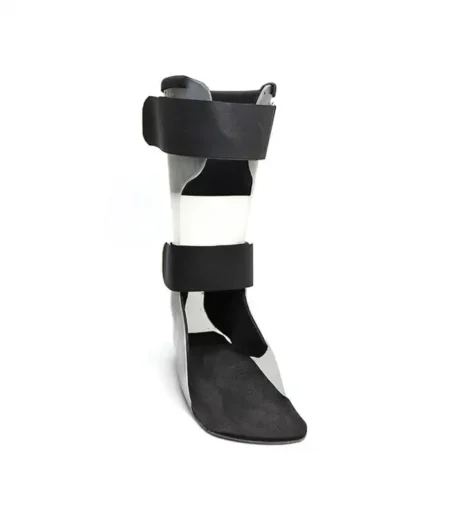
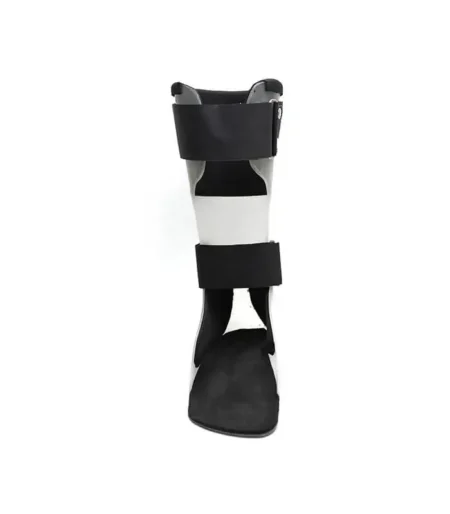
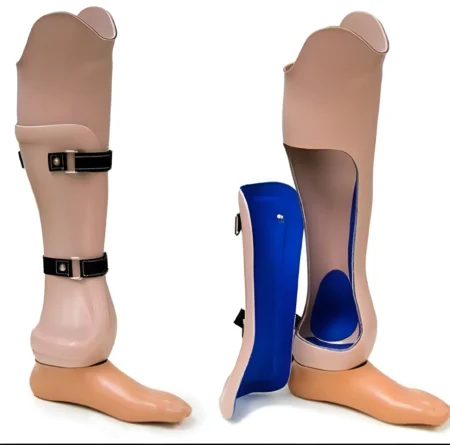
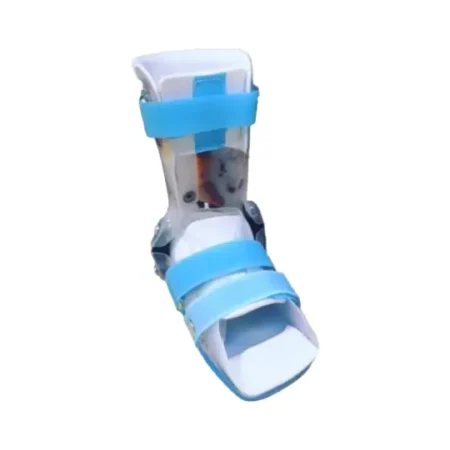
- An articulating ankle-foot orthosis (AFO) featuring a mechanical ankle joint to allow for controlled movement. It is designed to assist with dorsiflexion weakness (drop foot) and control mid-foot position, while also managing knee hyperextension caused by excessive plantarflexion.
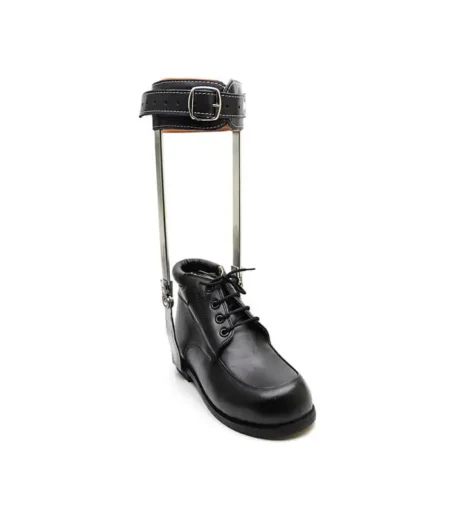
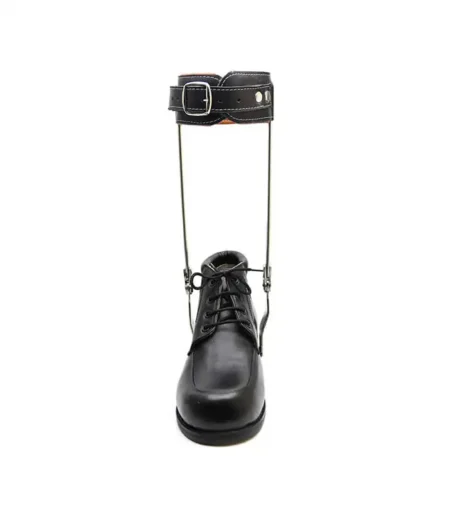
-
Strong and durable ankle-foot support
-
Adjustable and long-lasting design
-
Suitable for foot drop and weakness
-
Preferred by patients needing external support
Reviews
There are no reviews yet.