 English
 العربية
-
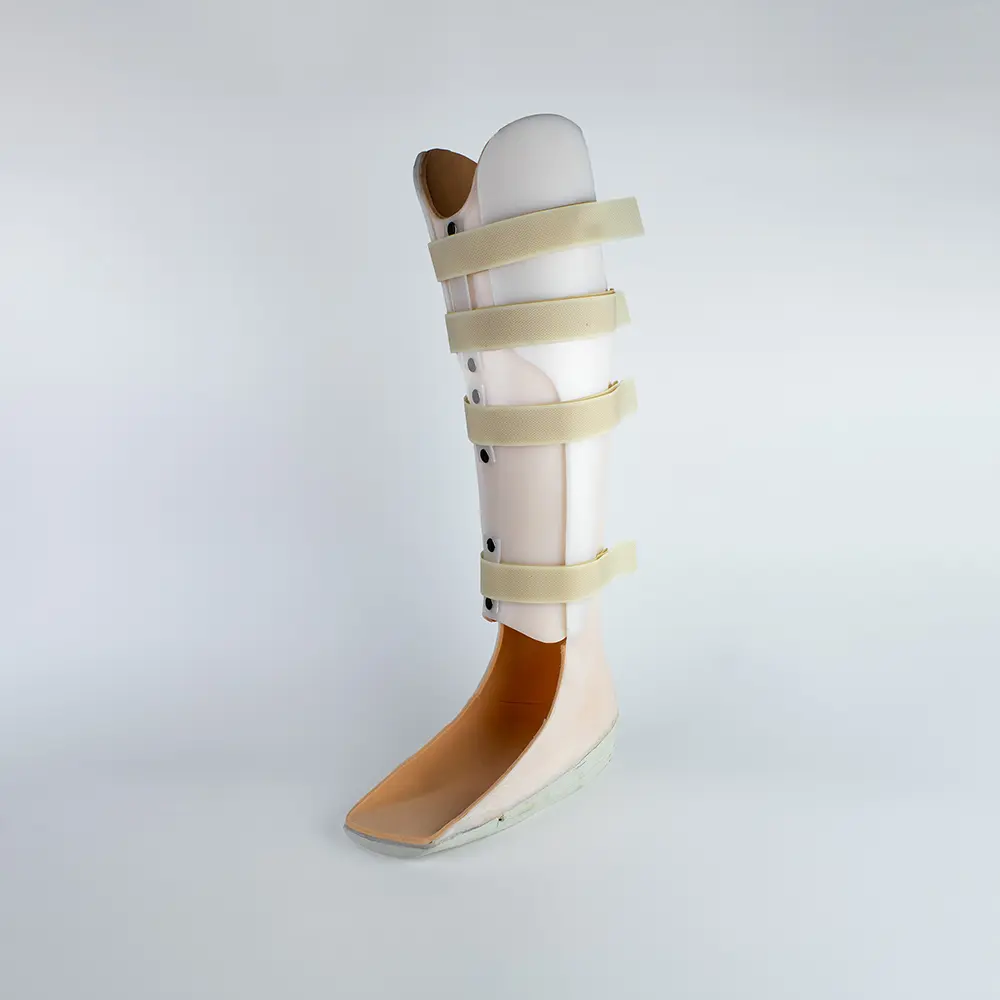
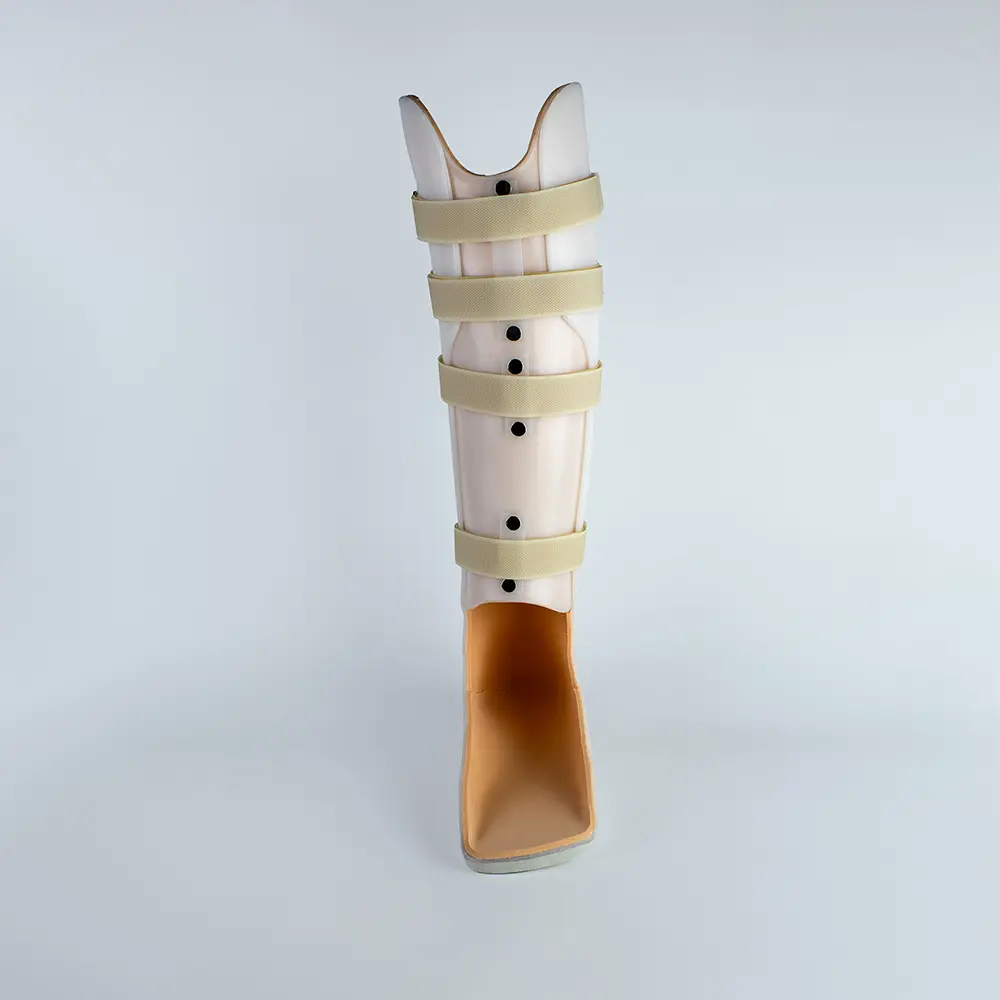
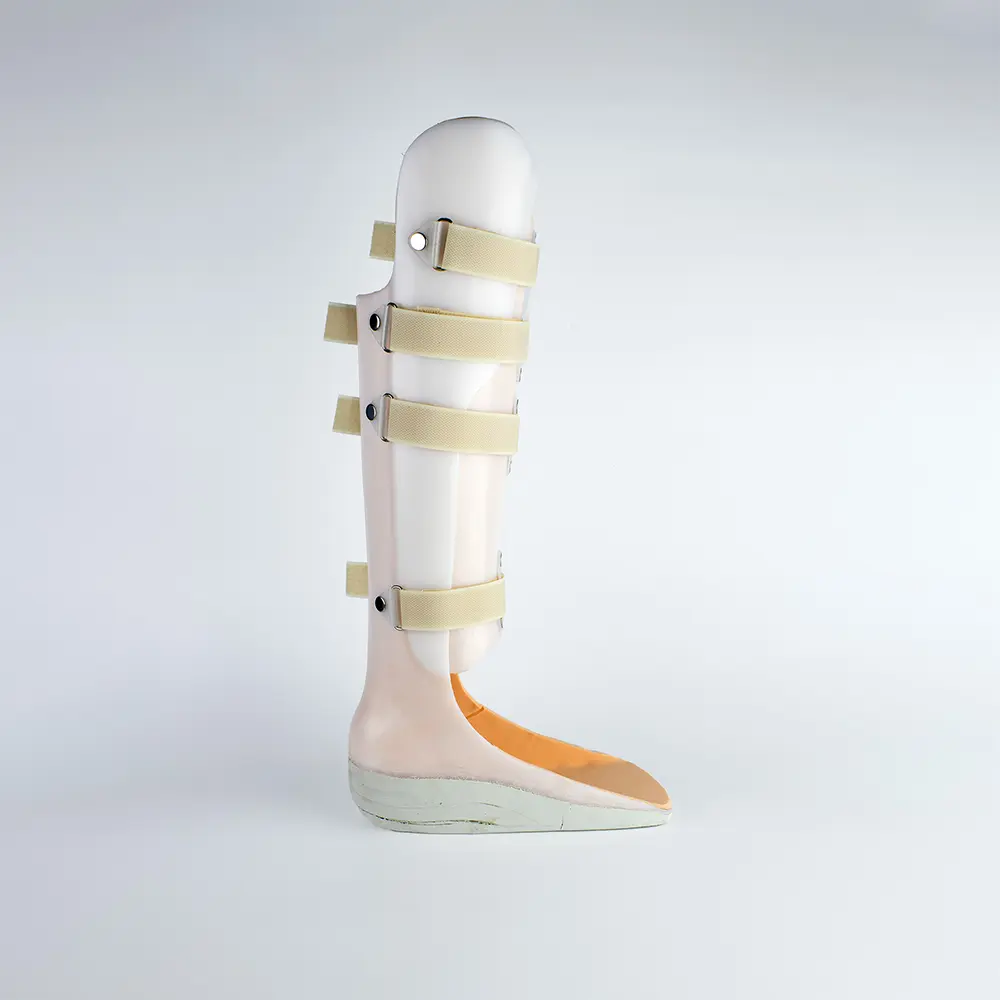
Offloads weight from foot and ankle
-
Provides mediolateral stability
-
Controls ankle motion
-
Ideal for lower leg injuries or fractures
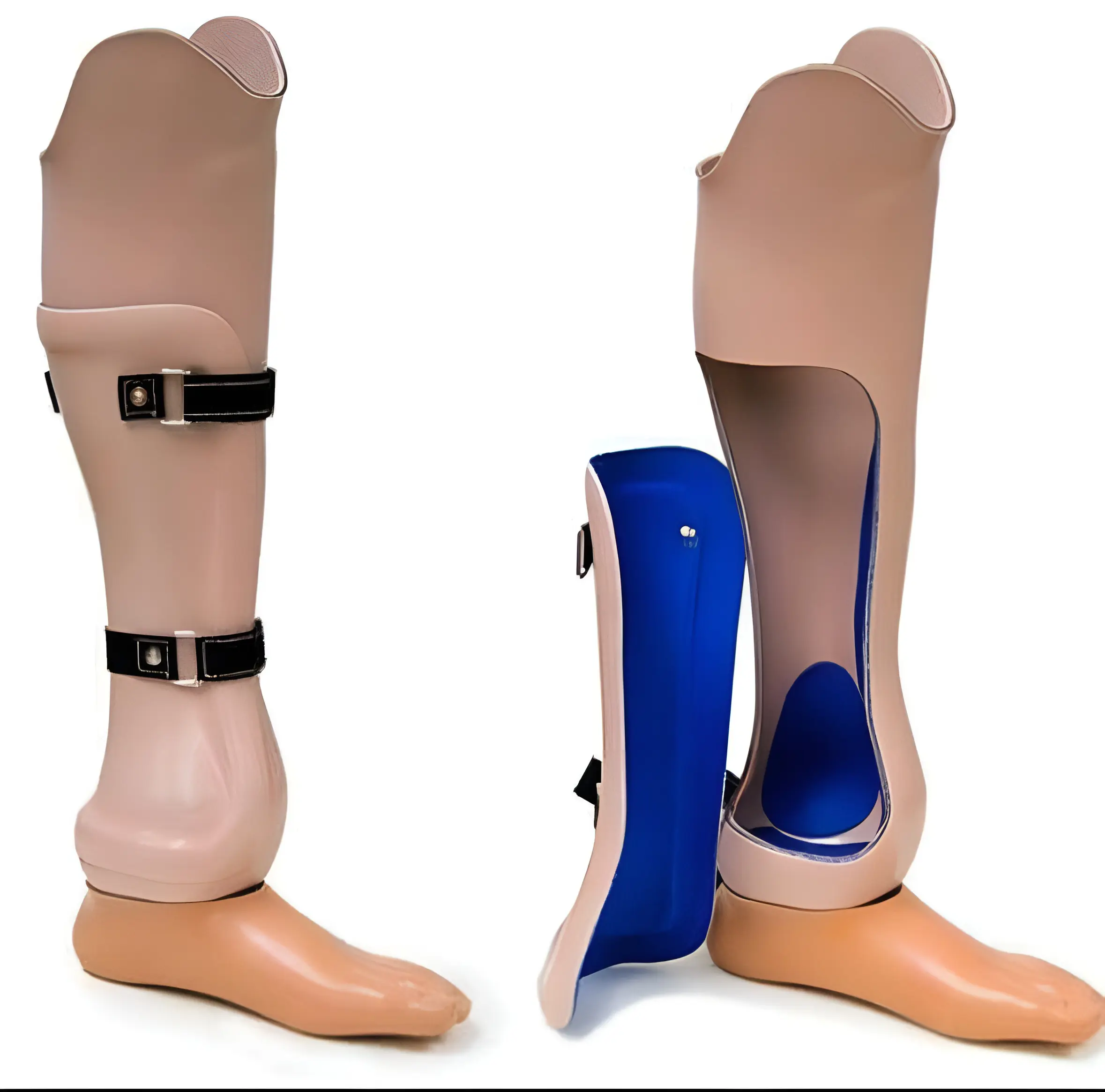
PTB Weight Bearing Orthosis
PTB orthosis redirects body weight from the foot and ankle to the patellar tendon area, reducing stress on lower limb joints and aiding rehabilitation.
... people are viewing this right now
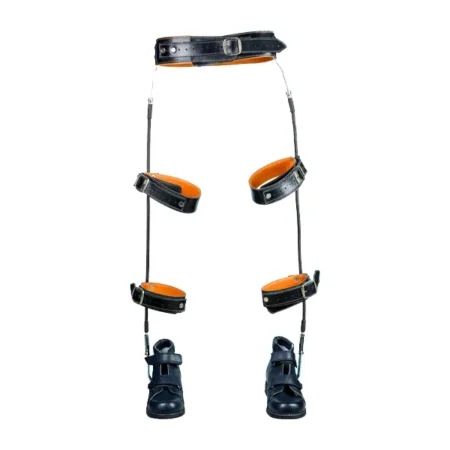
- A specialized orthosis designed to manage femoral rotational deformities, such as in-toeing or out-toeing. It consists of a pelvic belt connected to an ankle attachment via a flexible torsion cable, which applies a gentle, corrective force to control rotation of the femur during movement. This system helps guide the entire limb into a more neutral alignment throughout the gait cycle.
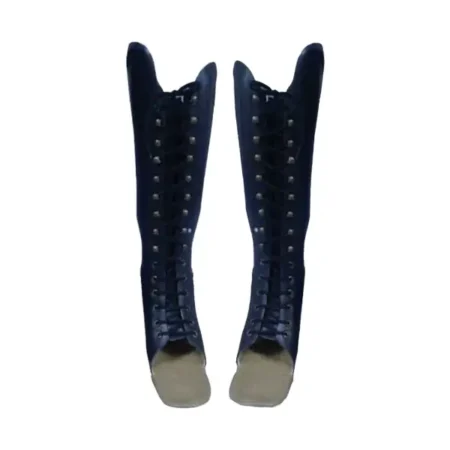
The Extended Defort AFO uses the same design as the standard model for the distal part of the orthosis. However, it features a polymeric extension that extends proximally up the calf. This model provides additional leverage length and control for those with maximum stabilization and control needs.
This design, which is effective in reducing pressure points that cause disruption to skin integrity, enhances patient comfort.
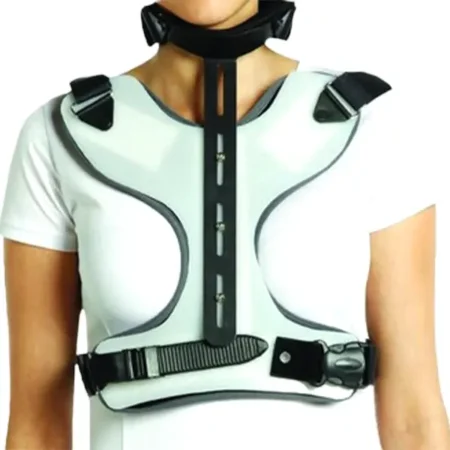
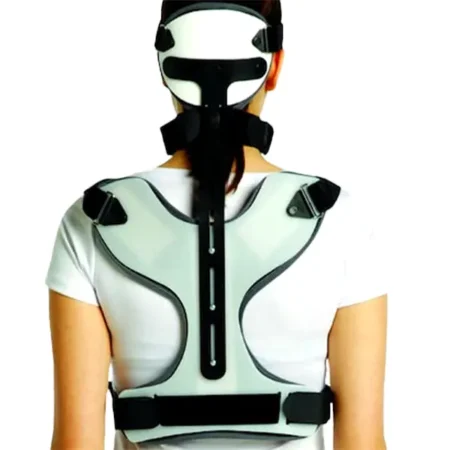
- A non-invasive spinal orthosis designed to provide rigid immobilization to the cervical and upper thoracic spine (CTO). The Minerva CTO stabilizes the head and neck, restricting motion to protect against further injury and promote healing after severe trauma or surgery.
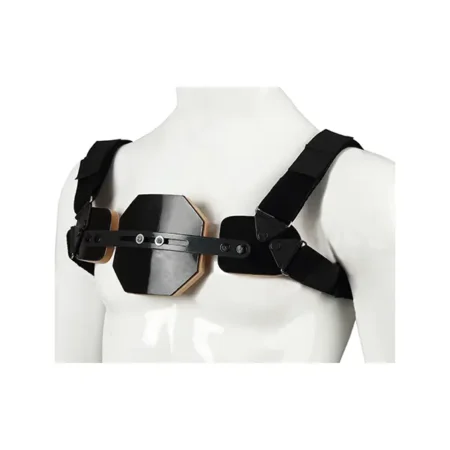
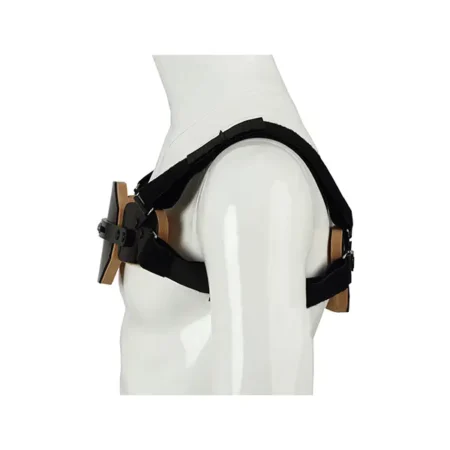
-
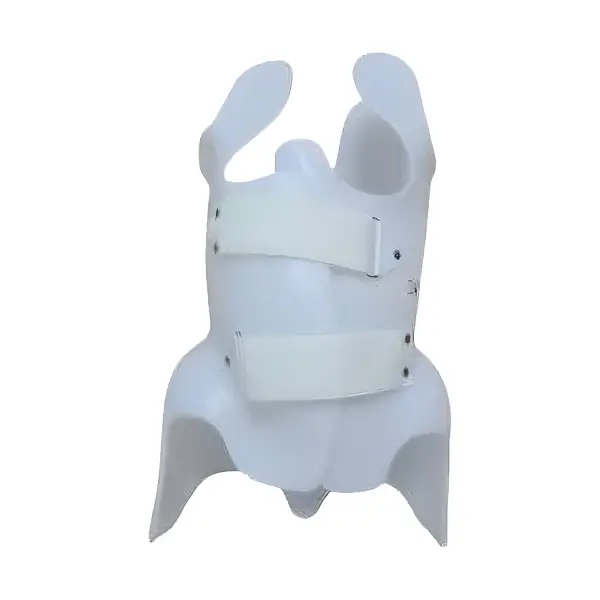
The Pectus Carinatum Brace is a non-surgical orthopedic device designed to correct protrusions of the chest wall commonly associated with pectus carinatum (also known as pigeon chest). It applies gentle, consistent pressure to the sternum and rib cage to gradually realign the chest structure over time. The brace is adjustable, ensuring a customized and comfortable fit for different body types. It is most effective when used during adolescence while the chest wall is still flexible.
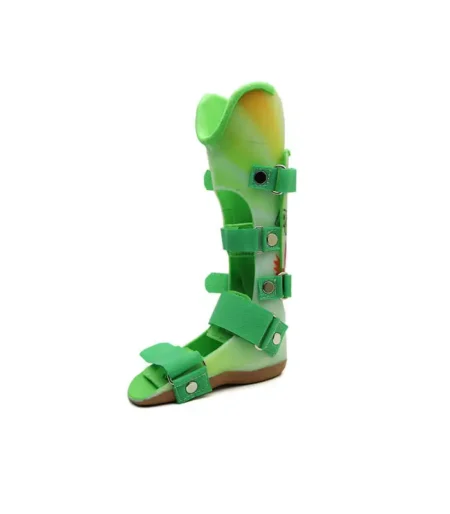
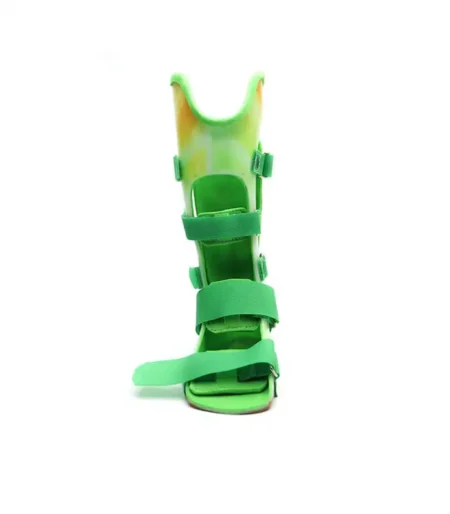
GRAFO is designed to improve knee and leg stability by using ground reaction forces during walking. It is ideal for individuals with weak knee extension or difficulty maintaining upright posture.
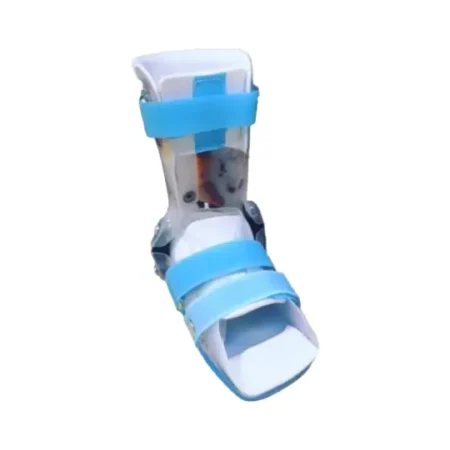
- An articulating ankle-foot orthosis (AFO) featuring a mechanical ankle joint to allow for controlled movement. It is designed to assist with dorsiflexion weakness (drop foot) and control mid-foot position, while also managing knee hyperextension caused by excessive plantarflexion.
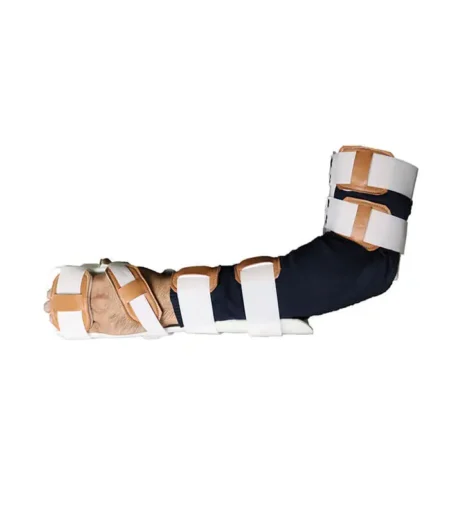
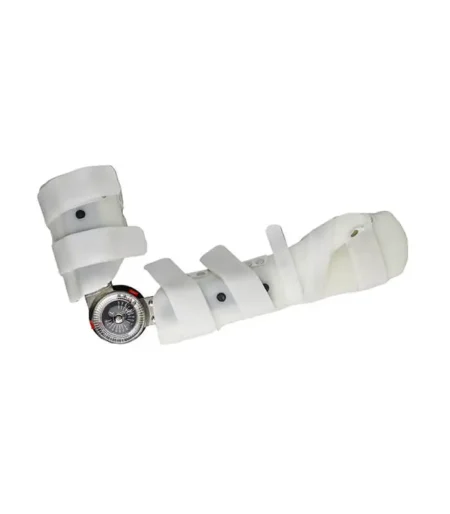
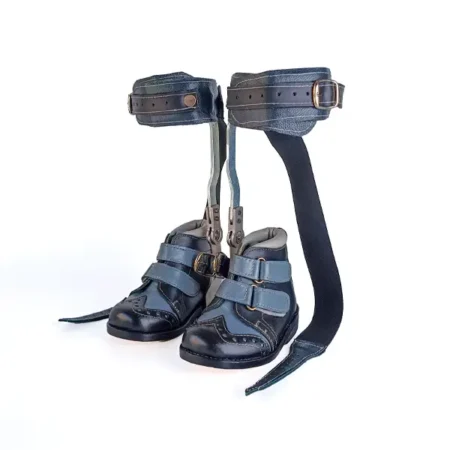
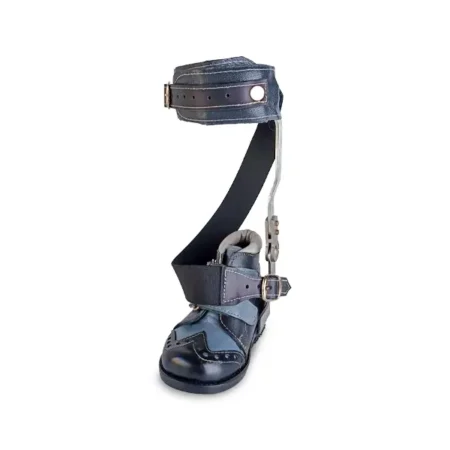
A corrective orthosis designed to manage and correct bow-leg deformities (Genu Varum) and Tibia Vara, primarily in children. The splint holds both legs straight and parallel, applying a gentle, prolonged corrective force to guide proper limb alignment, typically during periods of rest or sleep.
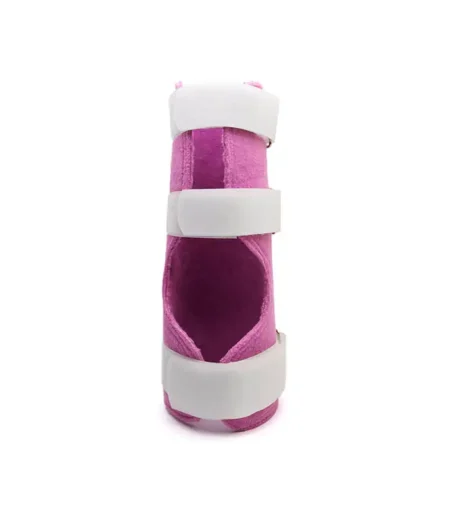
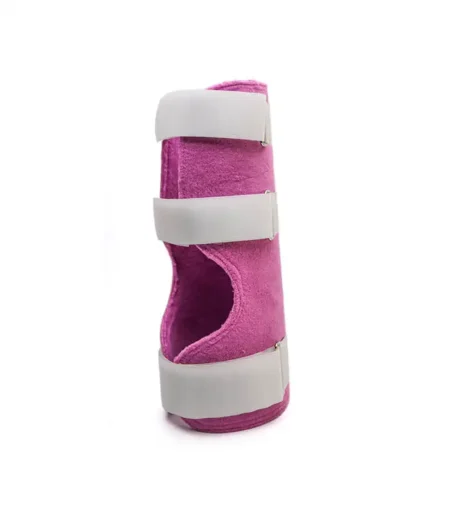
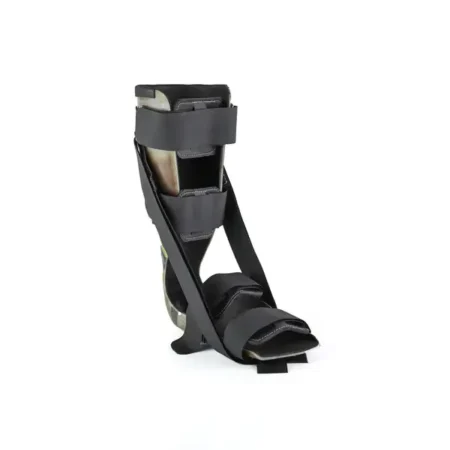
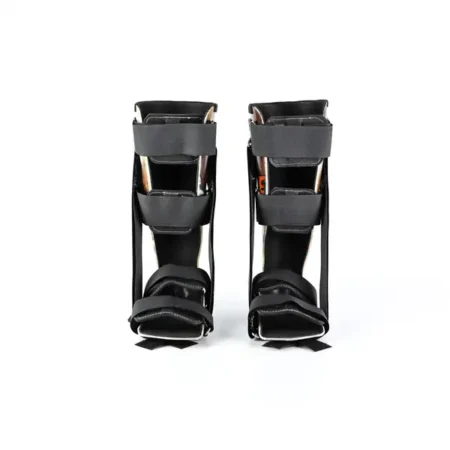
Adjustable Straps: Designed with Velcro fasteners for precise fitting, allowing flexibility to accommodate leg swelling or size variation
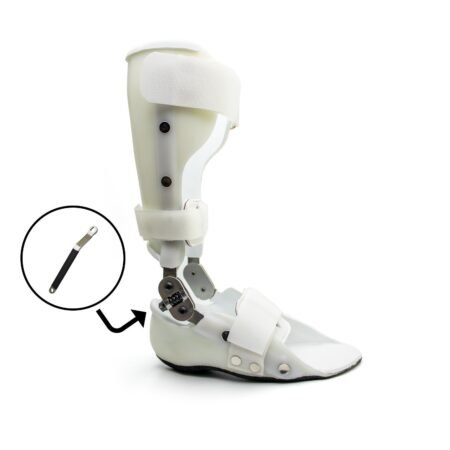
Properties:
- Provides controlled ankle support to prevent and correct contractures.
- Adjustable straps for a secure, customizable fit.
- Lightweight, durable materials (TPU or carbon fiber) for comfort and strength.
- Joint mechanism allows adjustable range of motion.
- Padded lining for pressure relief and long-term wear comfort.
- Ventilated design to keep skin dry and reduce irritation.
- Rigid foot plate for proper alignment and gait stability.
Specifications:
- Material: Thermoplastic polyurethane or carbon fiber composite
- Sizes: S, M, L, XL or (Custom-made)
- Weight: Lightweight for ease of use and mobility
Indications:
- Prevention and correction of ankle joint stiffness or contractures.
- Post-injury or post-surgical rehabilitation.
- Management of neurological or muscular conditions affecting ankle mobility.
- Gait improvement and stabilization in patients with muscle weakness or imbalance.
Reviews
There are no reviews yet.